
Daudi Mutalya -Chief Exploring Officer, Buutu Safaris
When picturing a 400-pound silverback gorilla standing just meters away in an African rainforest, it is completely natural to wonder: Is gorilla trekking actually safe?
After decades of leading treks through the misty mountain slopes of Bwindi Impenetrable Forest and Volcanoes National Park, here is what we at Buutu Safaris always tell our travelers: gorilla trekking is exceptionally safe. Over our many years on the ground, we’ve guided thousands of guests—from solo travelers to multi-generational families—to unforgettable encounters with endangered mountain gorillas without a single incident. Thanks to rigorous conservation frameworks, professional habituation processes, and armed ranger escorts, every safety protocol is tightly controlled from the moment you step onto the trailhead.
To help put your mind at ease, let’s break down how safety works on the ground in Uganda and Rwanda, what risks to actually look out for, and how you can ensure a secure, stress-free journey.
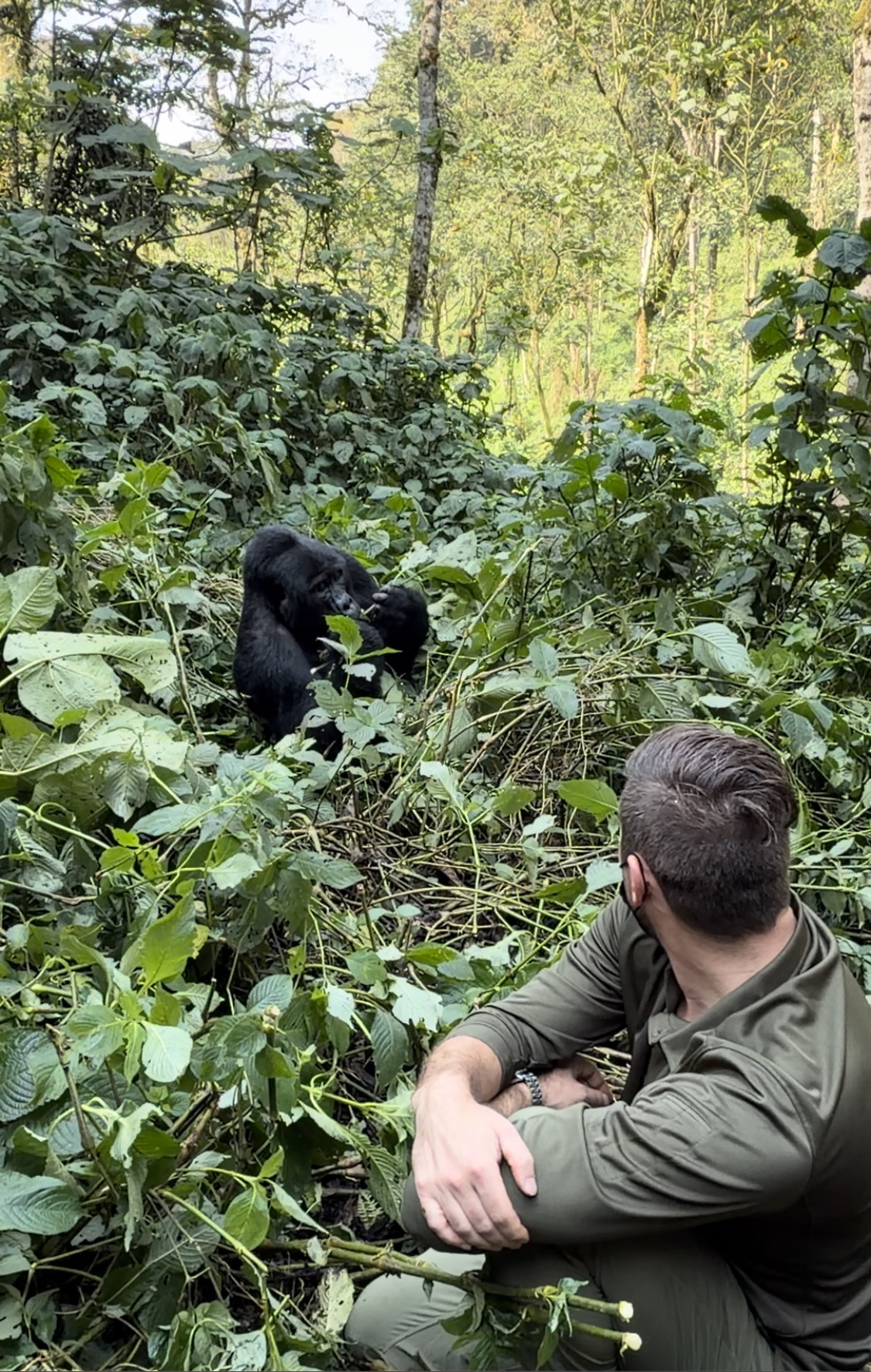
1. The Gorillas Themselves: Gentle Giants, Not Predators
Many first-time travelers fear that mountain gorillas might behave aggressively. In reality, gorillas are predominantly peaceful, vegetarian primates that share roughly 98% of their DNA with humans.
Furthermore, the gorilla families you visit are fully habituated. This means they have spent 2 to 3 years undergoing a careful, scientific process led by conservationists to gently accustom them to human presence without altering their natural wild behaviors. They view human observers as neutral, non-threatening visitors and remain remarkably calm around quiet, respectful groups.
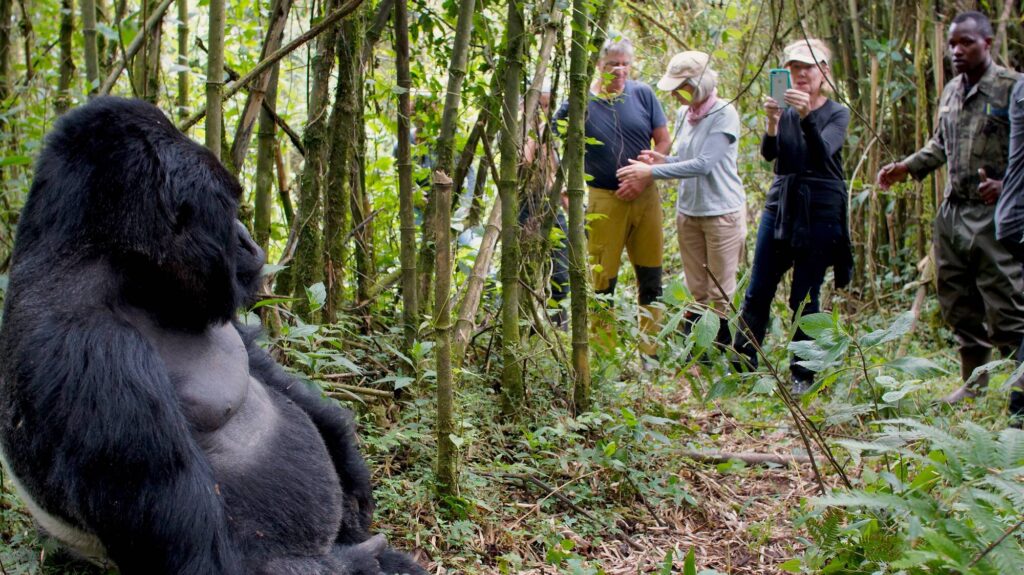
2. Professional Armed Rangers and Security Infrastructure
You will never be left to wander the rainforest alone. Every single trek is strictly managed and led by experienced conservation professionals:
- Armed Rangers: Small trekking groups (capped at a maximum of 8 visitors per gorilla family) are accompanied by armed park rangers and expert trackers. These rangers carry firearms primarily as a precaution against unexpected wild animals (such as wild forest elephants or buffaloes) and are extensively trained to read gorilla body language.
- Destination Stability: Both Uganda (specifically southwestern parks like Bwindi and Mgahinga) and Rwanda (Volcanoes National Park) maintain robust security measures, dedicated tourism police units, and active park patrols to ensure international visitors remain completely secure throughout their stay.
3. What the Real Risks Are (It’s Not the Animals)
While the gorillas pose virtually no threat when rules are respected, the environment itself presents physical challenges. The real "risks" on a gorilla trek are terrain-related:
- Rugged Terrain: Mountain rainforests feature steep, muddy slopes, slippery pathways, and high-altitude hiking conditions.
- Insects and Thick Vegetation: Biting ants, stinging nettles, and thorny brush are natural parts of the jungle ecosystem.
- The Safety Solution: You can easily mitigate these environmental risks by wearing sturdy, broken-in waterproof hiking boots, long trousers tucked into thick socks, light gardening gloves, and hiring a local porter at the trailhead to assist you over slick ground.
Want a seamless, expertly guided trekking experience where every safety detail is taken care of? Explore our custom-crafted Uganda and Rwanda Gorilla Safaris and let our veteran team handle your permits and logistics.
4. Golden Rules for Absolute Safety
Gorilla trekking safety is a two-way street. Adhering to established park regulations protects both you and the endangered apes:
- Maintain Distance: Always keep a minimum distance of 10 meters [VERIFY] from the gorillas to prevent disease transmission and avoid crowding them.
- Never Run: If a young gorilla approaches or a silverback displays a mock chest-beat, never run away, as running triggers a natural chase instinct. Instead, stay calm, crouch down slowly, and avoid direct eye contact as instructed by your ranger.
- Health First: Because gorillas are highly susceptible to human respiratory illnesses, anyone showing signs of a cold or flu is barred from trekking. Surgical masks are often required [VERIFY] during your 1 hour with the gorillas.
Ready to Trek in Complete Safety?
Let Buutu Safaris secure your official permits, private 4x4 transport, and expert local driver-guides for a worry-free experience.
Click Here to Plan Your Safe Safari Today
Frequently Asked Questions (FAQs)
Q: Has a tourist ever been attacked by a mountain gorilla?
On regulated, ranger-led treks, unprovoked attacks by habituated mountain gorillas are virtually unheard of. Incidents only occur if travelers violate safety rules, attempt to touch the animals, or ignore ranger instructions.
Q: Is gorilla trekking safe for solo female travelers and seniors?
Yes! Gorilla trekking is heavily structured and group-oriented, making it exceptionally safe for solo female travelers, seniors, and families alike. Porters are available to assist guests of all fitness levels up steep paths, and the minimum age requirement is 15 years in both Uganda and Rwanda.
Q: Which country is safer for gorilla trekking—Uganda or Rwanda?
Both Uganda and Rwanda are stable, welcoming, and safe for international travelers. Rwanda features paved highways and shorter drive times from Kigali, while Uganda offers a deeply immersive rainforest adventure with world-class security in Bwindi and Mgahinga.
Book Your Safe, Seamless Adventure with Buutu Safaris
Your peace of mind is our highest priority. From securing official permits through authorized government channels to pairing you with veteran driver-guides and top-tier safari lodges, Buutu Safaris ensures your entire expedition is safely managed from arrival to departure.
Have questions or ready to reserve your trekking permits? Contact our safari experts today to start planning your secure, unforgettable mountain gorilla adventure.
Author: Daudi Mutalya — Chief Exploring Officer, Buutu Safaris
