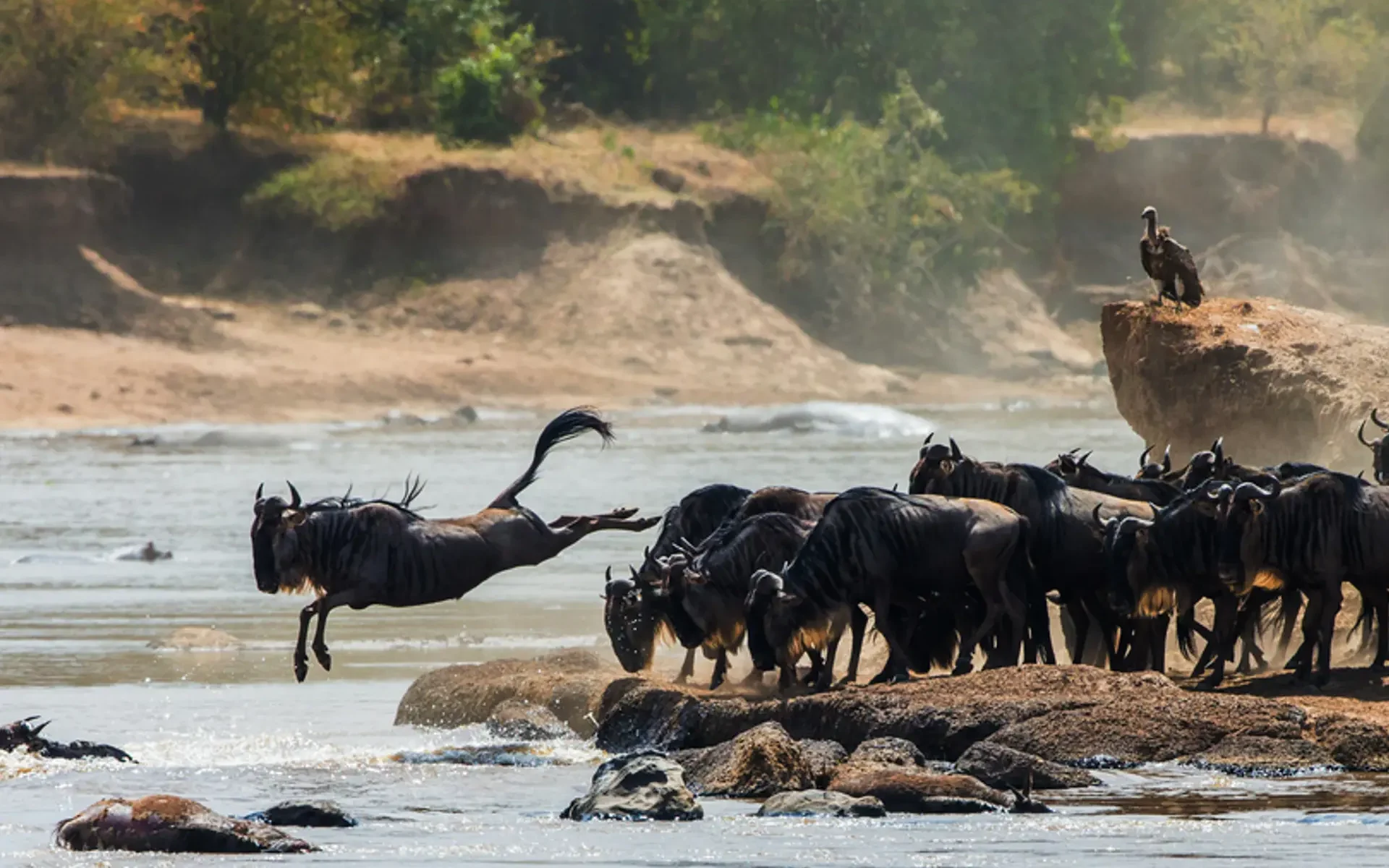
The Great Migration is the greatest wildlife spectacle on earth, and witnessing it is a bucket-list dream for travellers the world over. Each year, more than 1.5 million wildebeest, joined by hundreds of thousands of zebra and gazelle, move in a vast, continuous circuit through the Serengeti–Masai Mara ecosystem in search of fresh grazing, followed at every step by lions, cheetahs, hyenas and crocodiles. Timing determines what you see: the drama of calving season unfolds in the southern Serengeti and Ndutu between January and March, when thousands of wildebeest are born each day, and predator action is at its most intense, while the famous, heart-stopping river crossings take place from July to October, as the herds mass on the banks of the Grumeti and Mara Rivers before plunging through crocodile-filled waters. The crossings are unpredictable by nature, thrilling, chaotic and never guaranteed, which is exactly what makes witnessing one so unforgettable. Spanning both Tanzania and Kenya, the migration is a year-round phenomenon, and we position our guests in exactly the right place at the right time to experience nature’s most epic journey in full.
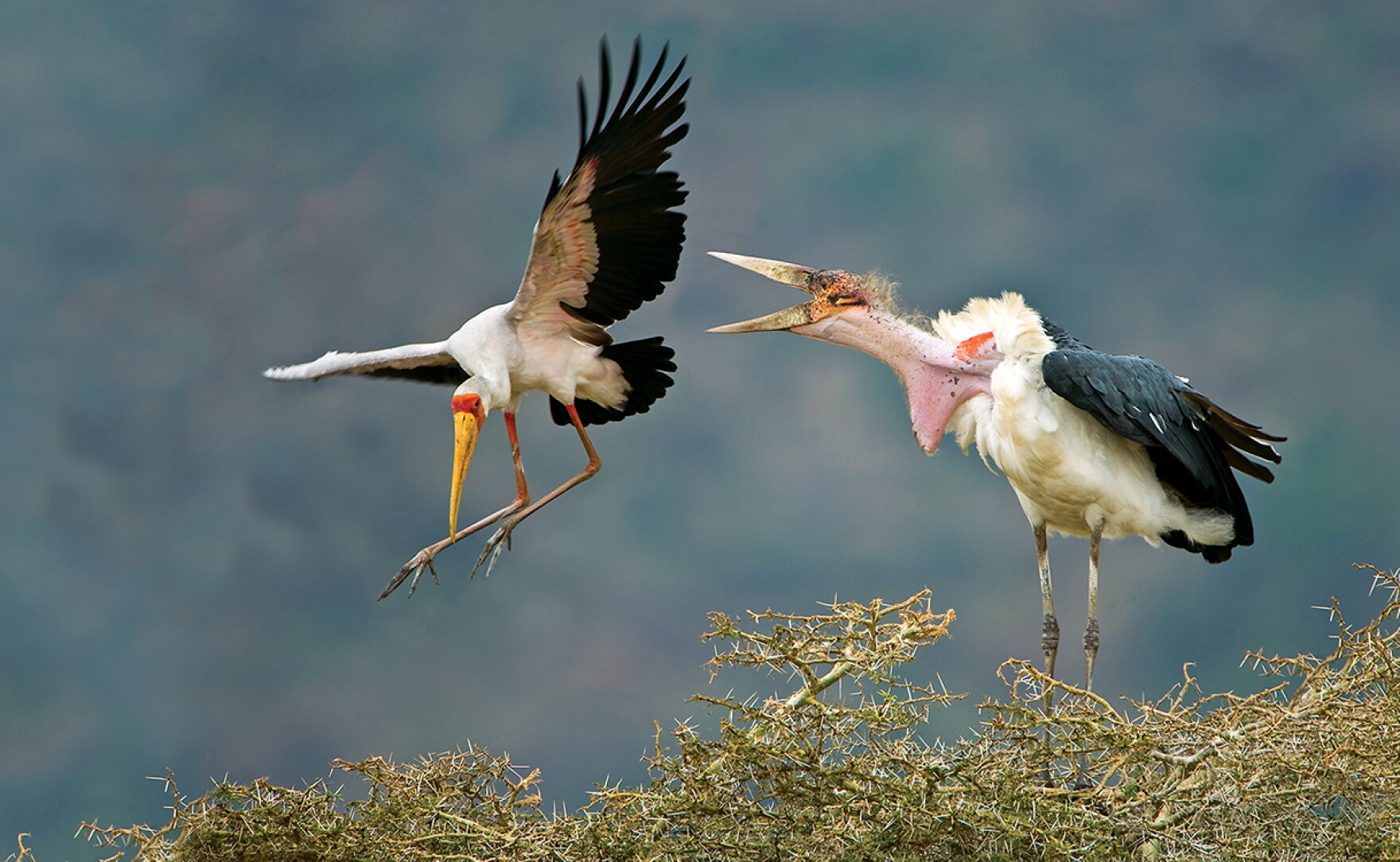
Birding transforms a safari into something wonderfully detailed and immersive, and East Africa is one of the richest birding regions on earth. Where a game drive scans the horizon for big mammals, birding slows the pace and draws your eye to the smaller wonders: the electric flash of a lilac-breasted roller, the prehistoric silhouette of a shoebill stalking a papyrus swamp, or the shimmering pink of a flamingo-lined soda lake at dawn. Uganda alone boasts over 1,000 species, roughly half of all the birds in Africa, with Queen Elizabeth National Park holding the richest list of any East African park at more than 600. Led by expert guides who identify birds by sight and call, outings can be enjoyed on foot, by vehicle or from a boat, and the forests of Bwindi, Nyungwe and Kibale shelter rare Albertine Rift endemics found almost nowhere else. Early morning is prime time, when birds are most vocal and active, and the green seasons bring migratory species and vivid breeding plumage. Whether you’re a dedicated birder chasing a lifer or simply enjoying the colour and song around you, the diversity is breathtaking, and we build superb birding into every journey.
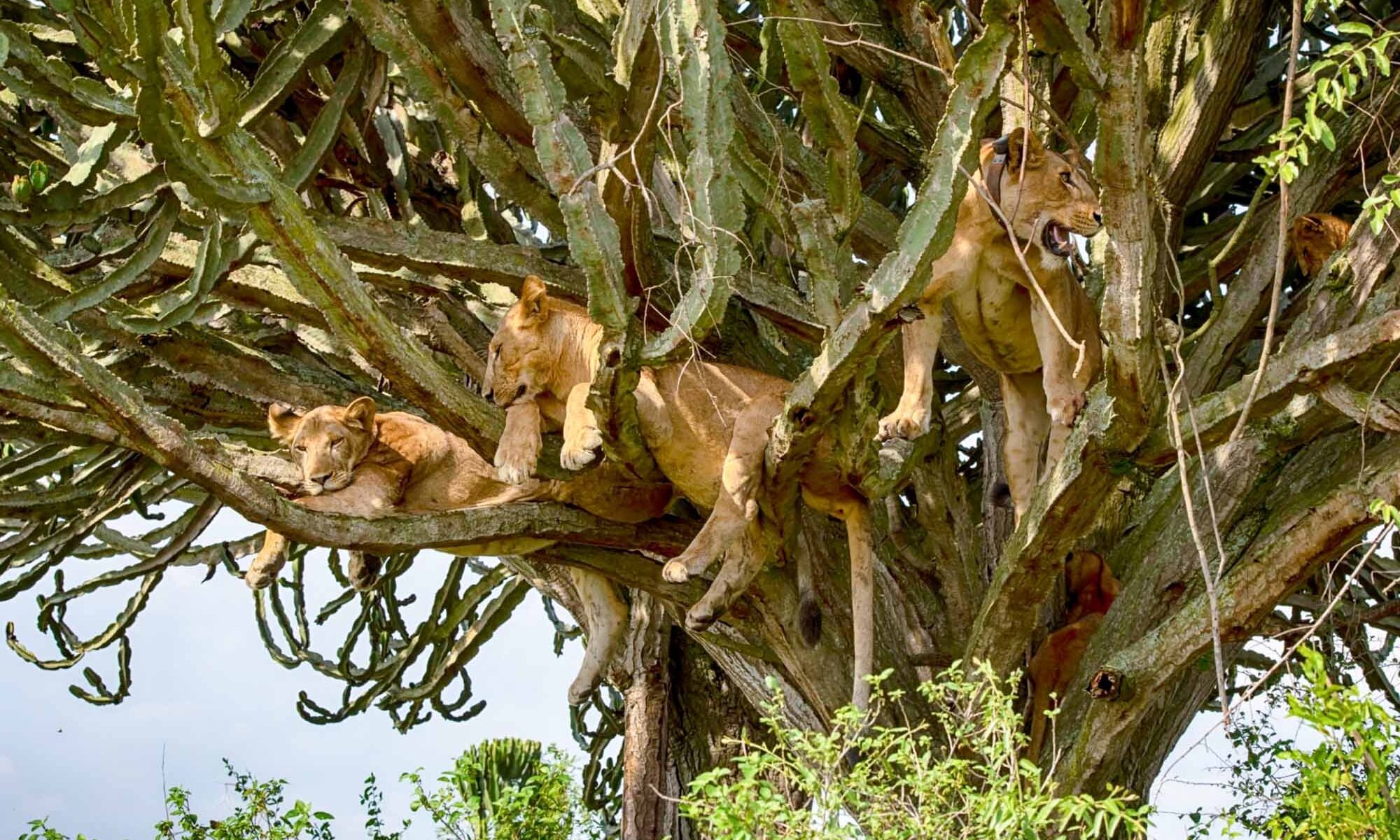
Seeking out the famous tree-climbing lions is one of the most sought-after wildlife experiences in Uganda, and a genuine highlight of any visit to Queen Elizabeth National Park. Lions don’t usually climb trees, which makes this behaviour so special, and it’s seen in only a couple of places on earth. In the remote southern Ishasha sector of the park, prides of lions can regularly be found draped languidly across the branches of large fig and acacia trees, front paws and tails dangling as they doze in the afternoon heat. Various theories explain the habit, from escaping the biting insects and the heat of the ground to gaining a better vantage point over the plains and their prey, but whatever the reason, the sight of a lion lounging high in a tree is unforgettable. Tracking them takes a little patience and the expert eye of a guide who knows their favourite trees, but the reward is a rare and remarkable encounter. Ishasha’s off-the-beaten-track location also makes it a peaceful, uncrowded corner of the park, often combined with a journey between Queen Elizabeth and the gorillas of Bwindi.
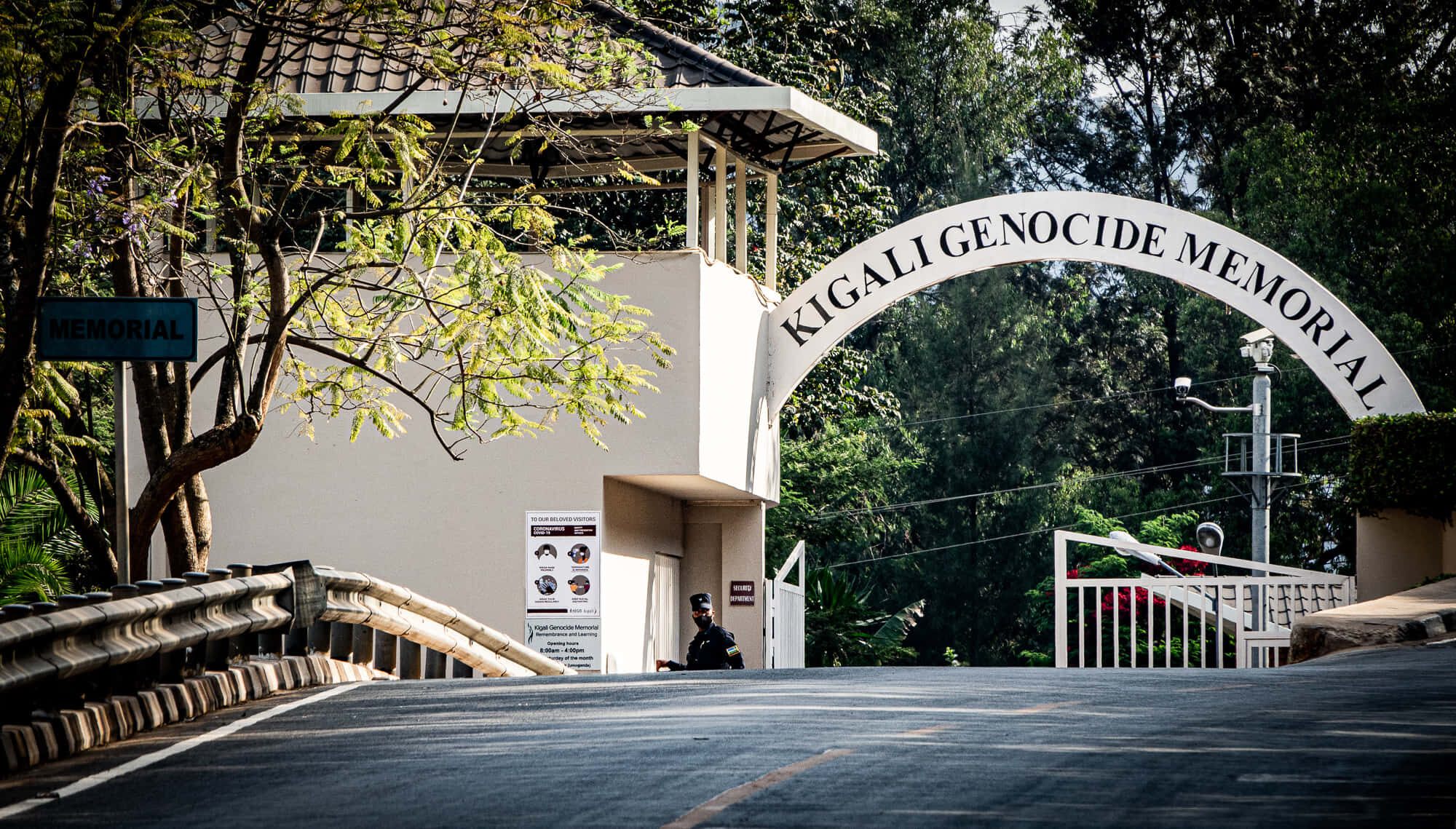
A visit to the Kigali Genocide Memorial is one of the most moving and important experiences of any journey through Rwanda, offering a profound understanding of the country’s history and its remarkable path to healing. The memorial is the final resting place of more than 250,000 victims of the 1994 genocide against the Tutsi, in which around one million people lost their lives in just 100 days. Through powerful exhibitions, personal testimonies, photographs and belongings, it tells the story of what happened with honesty and dignity, while also exploring the roots of division and the resilience and reconciliation that have defined Rwanda since. The peaceful memorial gardens offer a quiet space for reflection, and many visitors find the experience deeply emotional yet ultimately hopeful, a testament to how far Rwanda has come. Approached with respect and openness, a visit here provides essential context for understanding the safe, united, and forward-looking nation Rwanda is today, and stands as a powerful tribute to those who were lost. It is a solemn but unforgettable part of any Rwandan itinerary.
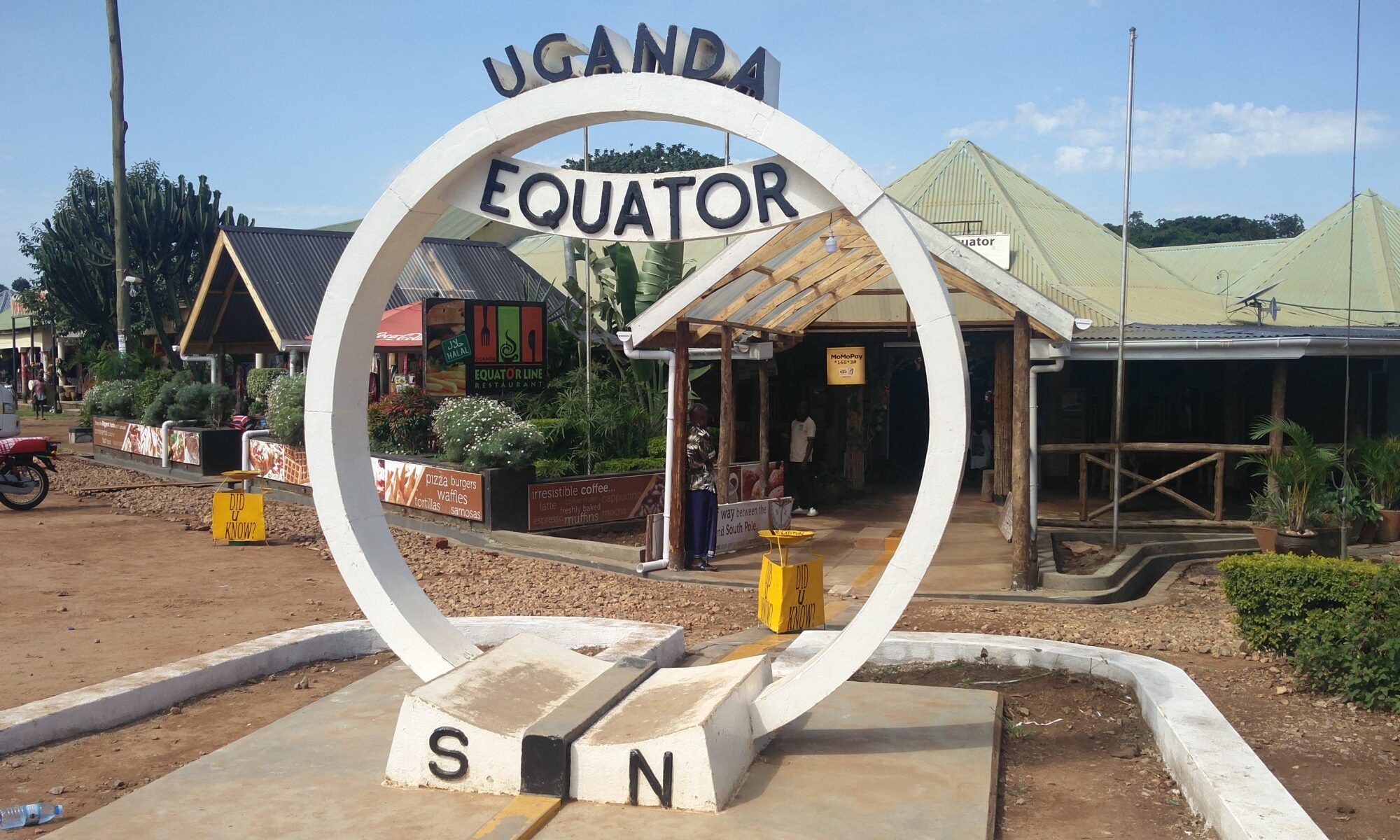
Crossing the Equator is a fun and memorable highlight of any Uganda safari, and a wonderful photo opportunity to mark the moment you stand with one foot in each hemisphere. Uganda straddles the Equator, and the most popular crossing point lies at Kayabwe on the Kampala–Masaka road, about 72 kilometres from the capital, where large painted circles and signposts mark the exact line of latitude zero. Here you can take part in the classic water experiment, watching as water is shown to drain clockwise on one side of the line, anticlockwise on the other, and straight down at the centre, a quirky demonstration of the Coriolis effect that never fails to delight. Beyond the photos, the spot is a lively stop with craft shops, cafés and curio stalls selling local artwork, jewellery and souvenirs, making it an ideal place to stretch your legs, pick up a memento and enjoy a coffee. Easily combined with journeys to the southwestern parks, an Equator crossing is a light-hearted, uniquely Ugandan moment on the road to adventure.
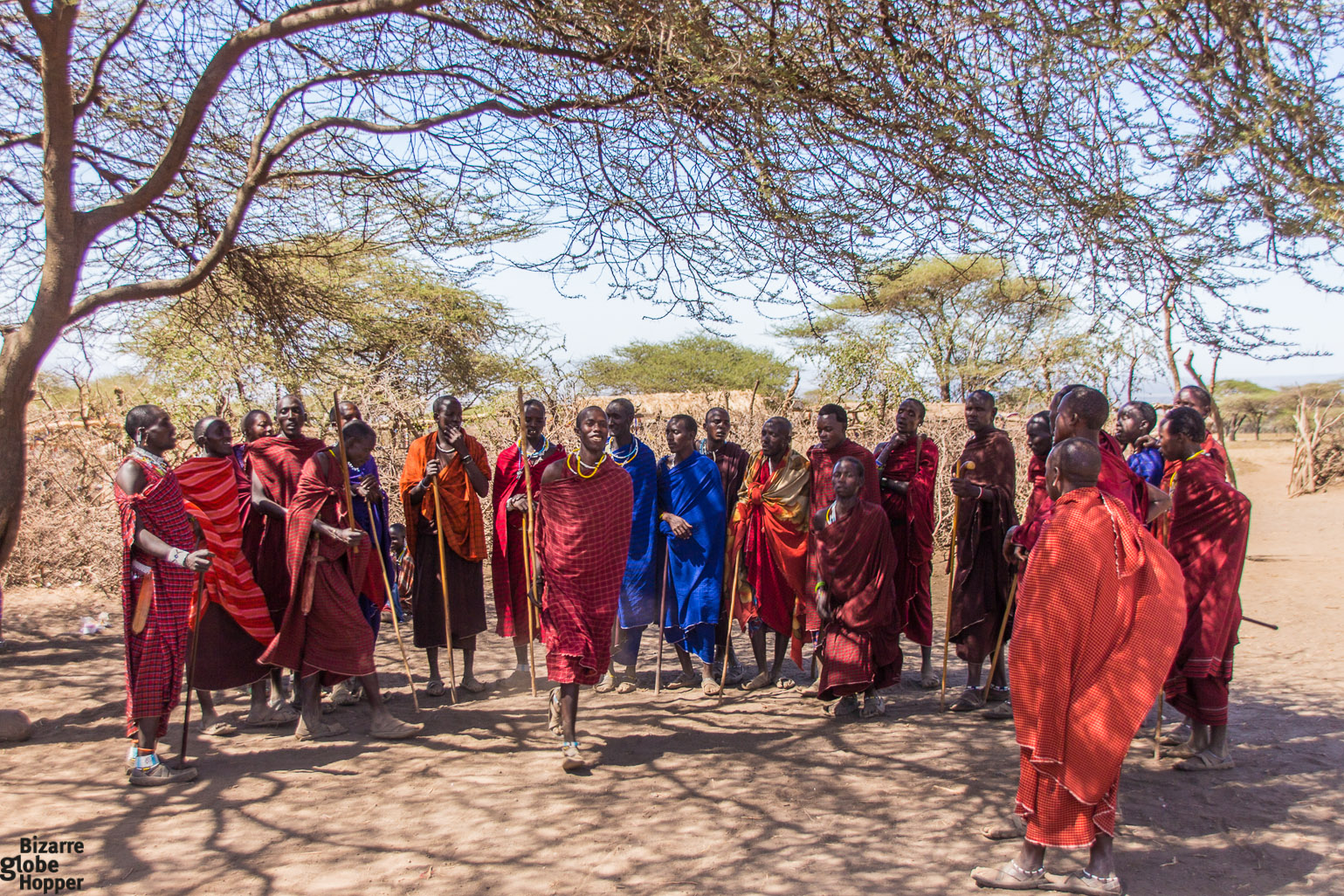
A community tour is one of the most enriching and meaningful parts of any African journey, offering a genuine window into the people whose lives are woven into these remarkable landscapes. Across our destinations, you can meet a wonderful diversity of cultures, from the cattle-herding Maasai of the Kenyan and Tanzanian plains and the forest-dwelling Batwa of southwestern Uganda, to the Karamojong pastoralists of the northeast and the San people of the Kalahari. Welcomed into villages and homesteads, you’ll experience traditional music and dance, learn age-old skills such as beadwork, basketry, honey-gathering and herbal medicine, and hear stories passed down through generations. These visits are about genuine connection and mutual respect, and because tourism income flows directly back into the communities, your visit helps support schools, livelihoods and cultural preservation. Approached thoughtfully and led by trusted local guides, community tours add a profound human dimension to a safari otherwise spent among the wildlife, and are often among the most memorable moments of the entire trip.
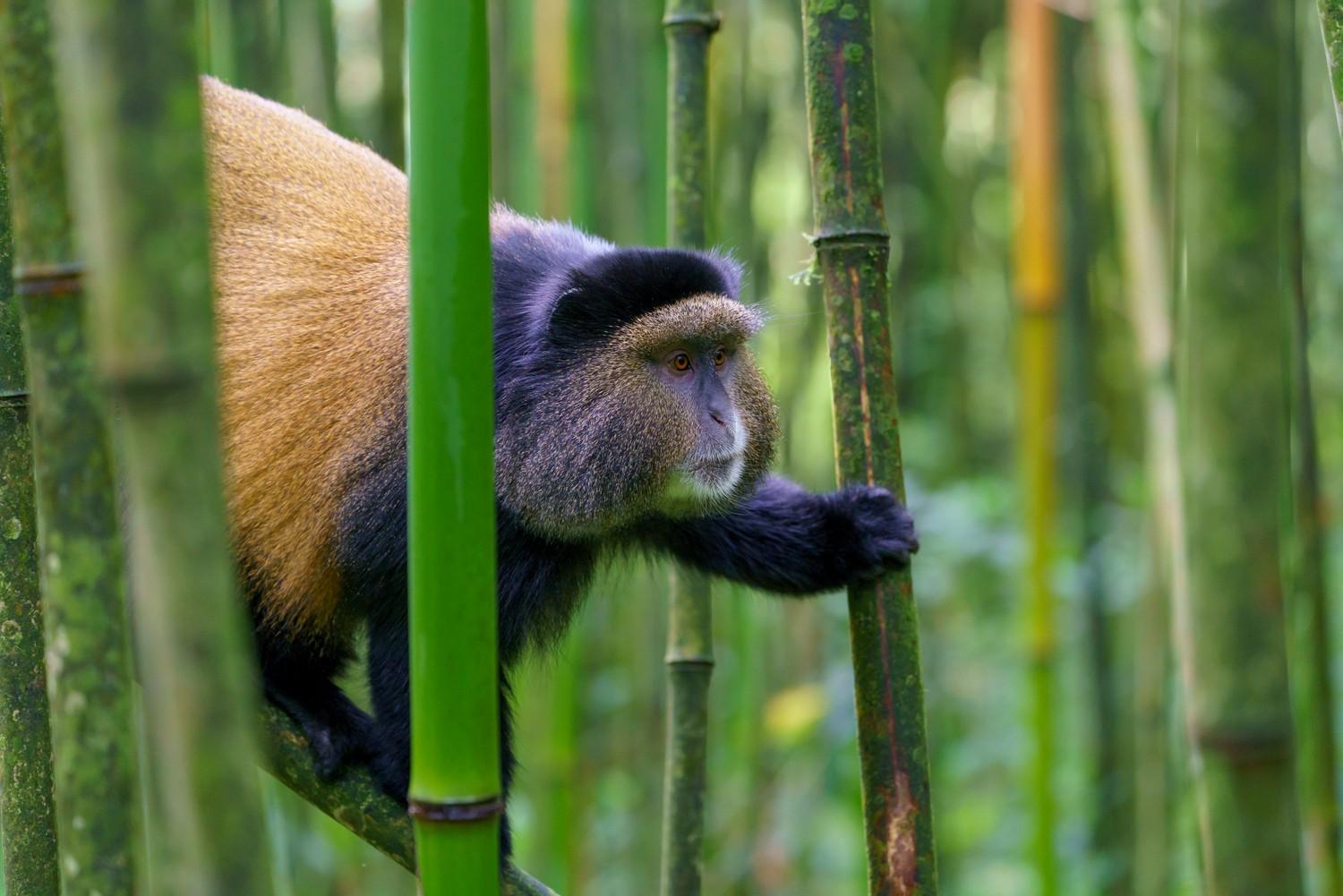
Golden monkey trekking is one of Africa’s most delightful and often overlooked wildlife encounters, and the perfect companion to a gorilla trek. Found only in the bamboo forests of the Virunga Mountains, these endangered primates are unmistakable, with vivid golden-orange fur set against a black face, limbs and tail. Where gorillas are calm and contemplative, golden monkeys are the opposite: fast, playful and endlessly energetic, and tracking them means following the sound of snapping bamboo until you find yourself surrounded by dozens of them leaping through the canopy and feeding on shoots, largely unbothered by your presence. The trek is considerably shorter and easier than gorilla trekking, usually two to four hours on gentler terrain, making it ideal for families and those seeking a lighter hike, and once the troop is found, you spend one joyful hour in their company. Golden monkeys can be tracked in Mgahinga Gorilla National Park in Uganda and Volcanoes National Park in Rwanda, making this a lively, affordable and thoroughly memorable addition to any Virunga adventure.
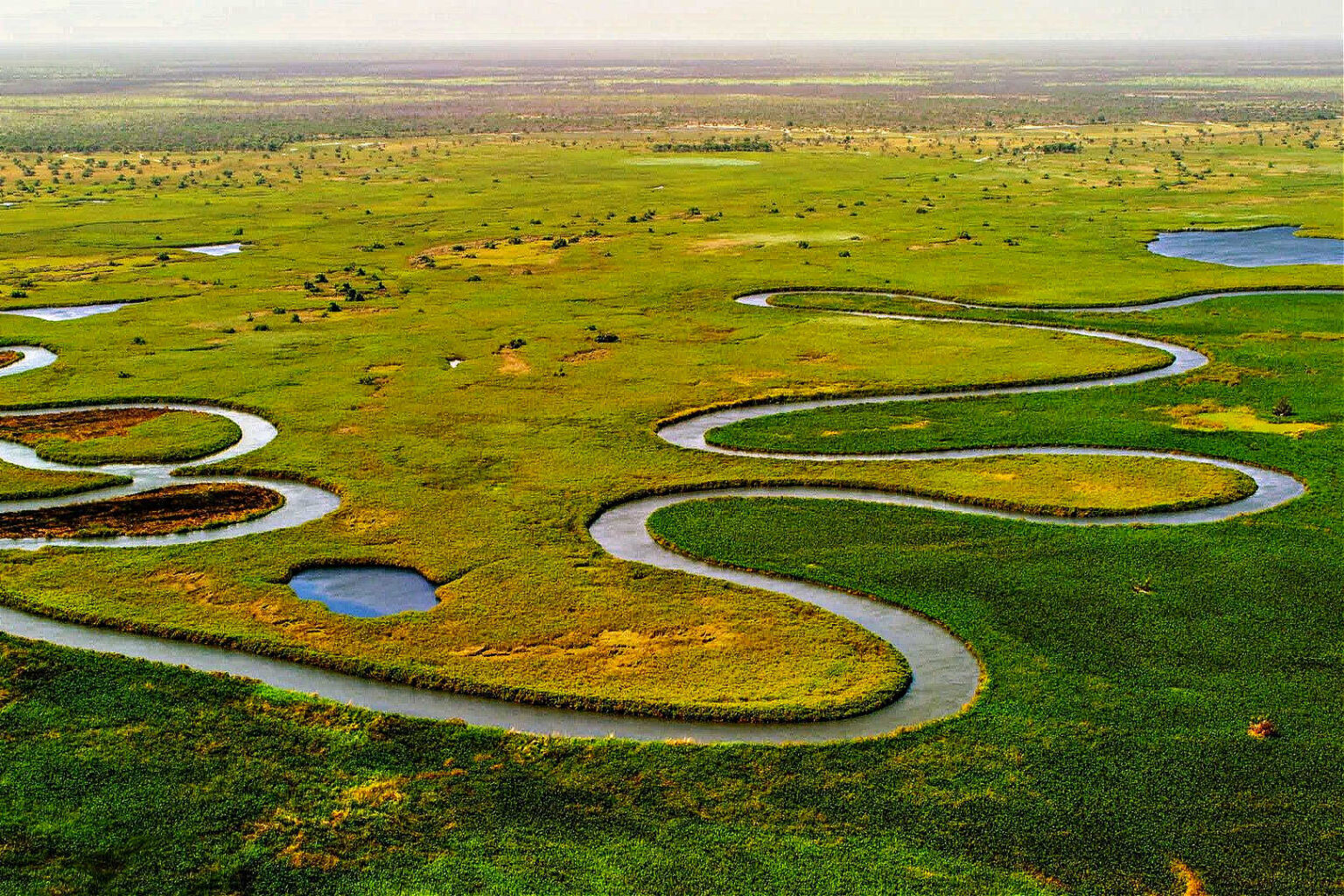
Exploring the Okavango Delta is one of the most magical experiences in all of African travel, a journey into one of the natural wonders of the world and a UNESCO World Heritage Site. Here, deep in the heart of Botswana, the Okavango River defies the desert, spilling out into the Kalahari and flooding to create a shimmering maze of channels, lagoons and palm-fringed islands teeming with life. The signature way to explore is by mokoro, a traditional dugout canoe poled silently through the reed-lined waterways, bringing you close to the water and its wildlife in near-total stillness, broken only by birdsong and the splash of a hippo. Beyond the mokoro, you can glide through the channels by motorboat, set out on foot with expert guides for a walking safari, or take to the skies for a scenic flight that reveals the Delta’s full, breathtaking scale. Home to elephants, hippos, big cats, wild dogs and spectacular birdlife, the Okavango offers a safari of rare intimacy and beauty, and one you will never forget.
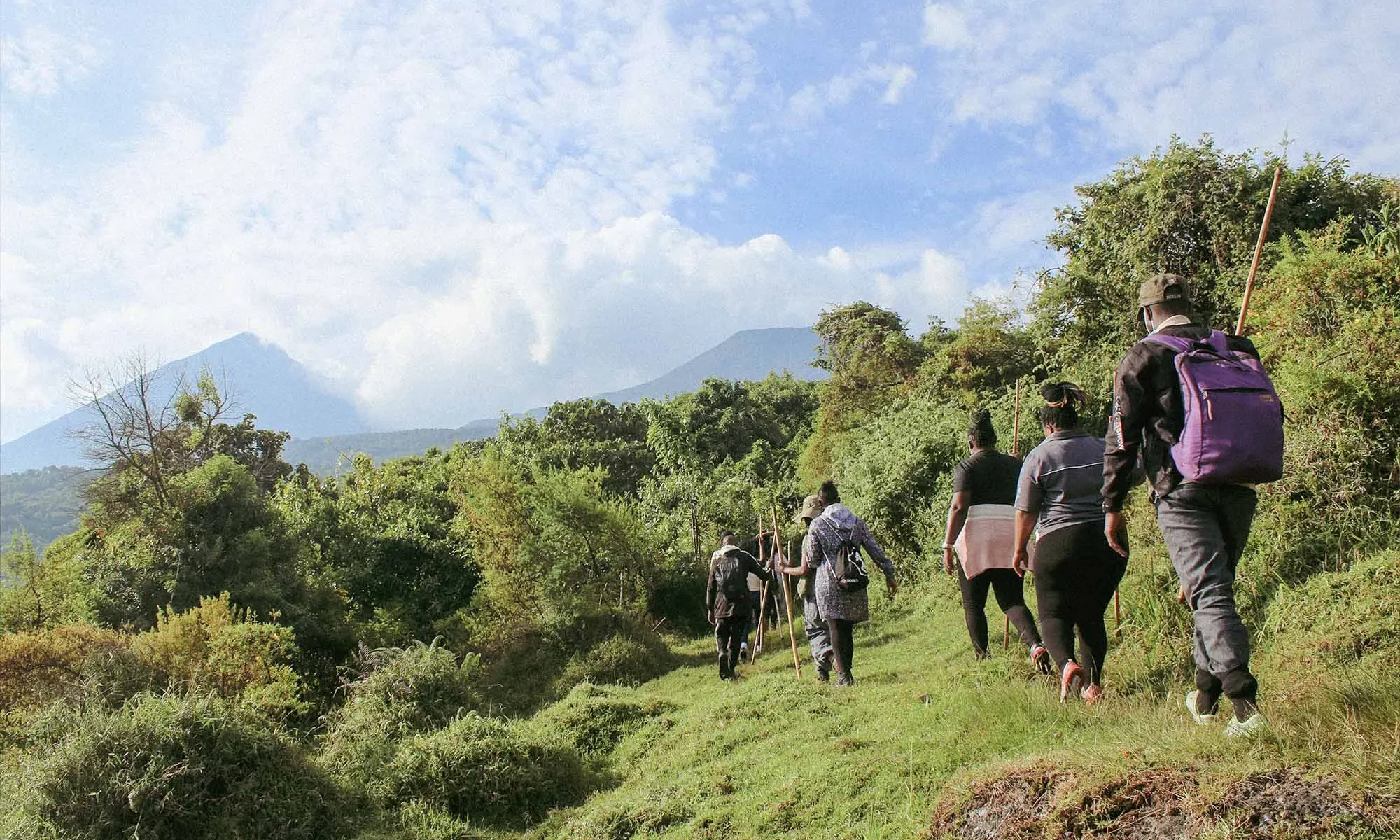
Hiking opens up a side of Africa that game drives simply can’t reach, taking you on foot into the hills, forests and volcanic landscapes for a slower, more immersive adventure. Around Lake Bunyonyi, gentle to moderate trails wind through the steep, terraced hillsides that cradle the lake, rewarding walkers with sweeping views over its island-dotted waters and a genuine taste of rural Ugandan life, past farms, villages and welcoming local communities. Elsewhere our destinations offer hikes to suit every level, from the dramatic crater-rim trails of Mount Bisoke in Rwanda and the waterfall walks of Sipi Falls on the slopes of Mount Elgon, to the challenging ascents of the Rwenzori “Mountains of the Moon” and the ultimate summit of Kilimanjaro. Whether it’s a relaxed afternoon ramble or a multi-day mountain expedition, hiking brings you closer to the landscapes, the birdlife and the small details of the wild, and often to some of the most memorable views of your entire journey.
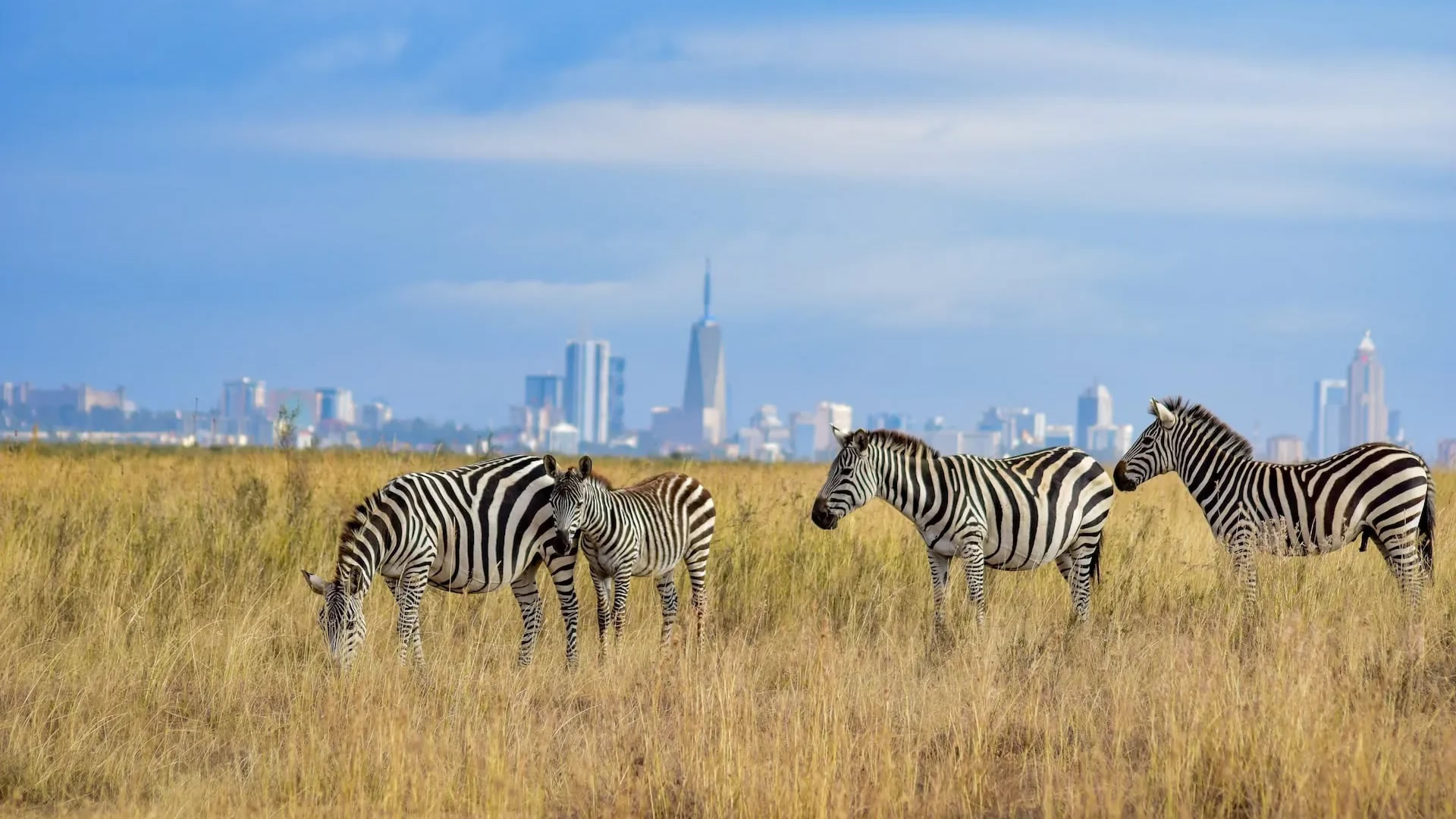
A city tour is the perfect way to begin or end a safari, offering a taste of Africa’s vibrant urban life and rich history before or after the wilderness. Each of our gateway cities tells its own story. Kampala, Uganda’s lively capital, pulses with energy, from the Gaddafi National Mosque and the royal Kasubi Tombs to the bustle of Owino Market and roadside food stalls. Kigali, by contrast, is famously clean, calm and green, where a visit to the moving Genocide Memorial is a deeply important experience, balanced by craft cooperatives, coffee shops and hilltop views. Nairobi uniquely pairs a modern skyline with wildlife on its doorstep, alongside the Giraffe Centre and the David Sheldrick elephant orphanage, while the historic Swahili island of Stone Town in Zanzibar is a labyrinth of carved doors, spice markets and centuries of trading history. Led by a knowledgeable local guide, a city tour adds real human context to your journey, connecting you with the culture, people and stories behind the landscapes.