[buutu_gorilla_seniors]
Gorilla Trekking for Seniors: Uganda & Rwanda Guide for Over 60s, 70s & 80s
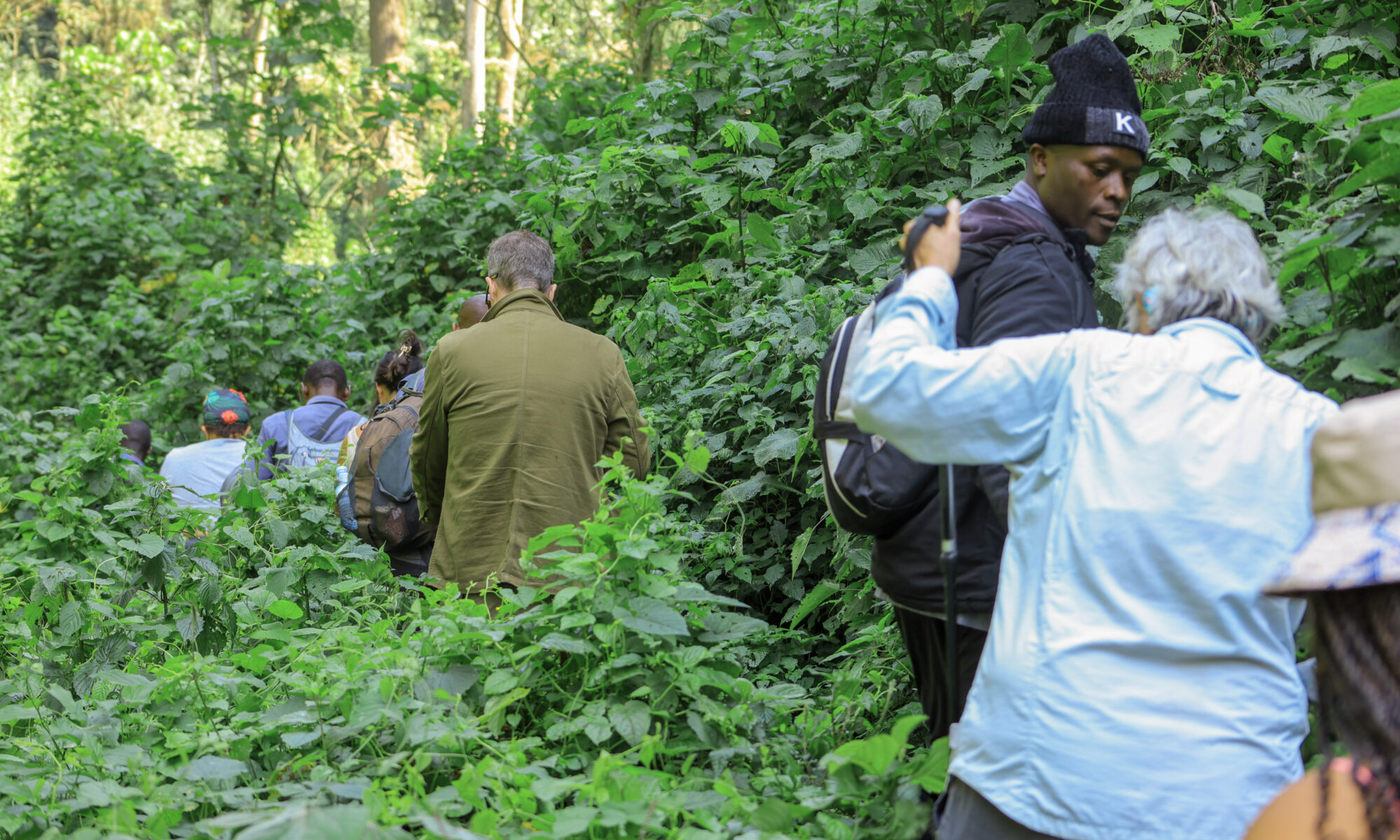


Go Gorilla
[buutu_gorilla_seniors]
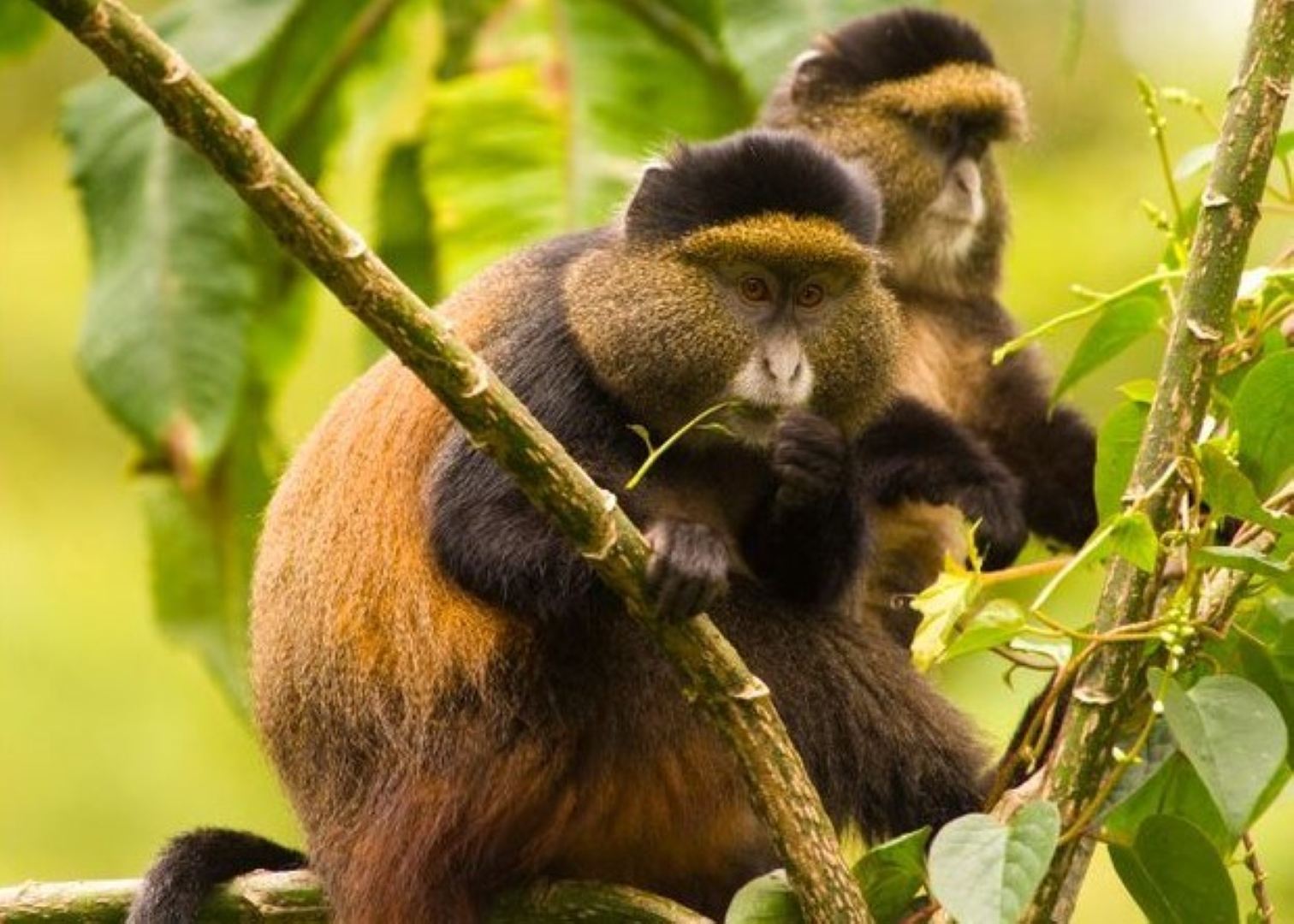
Discover where to see mountain gorillas, chimpanzees and golden monkeys in Uganda and Rwanda, and compare the best destinations for an unforgettable African primate safari.
Mountain gorilla trekking is available in three major destinations:
Uganda offers more trekking locations and is especially well suited to combining gorillas with chimpanzees and traditional wildlife safaris. Rwanda is convenient for shorter gorilla-focused trips from Kigali.
Uganda offers several well-known chimpanzee trekking destinations:
Rwanda also offers established chimpanzee tracking in Nyungwe National Park. Uganda generally provides a broader choice of chimpanzee locations and safari combinations.
Golden monkey trekking is possible in both countries:
These playful, endangered primates inhabit the Virunga region, making golden monkey trekking a natural addition to a mountain gorilla safari.
| Experience | Uganda | Rwanda |
|---|---|---|
| Mountain Gorillas | Bwindi & Mgahinga | Volcanoes National Park |
| Chimpanzees | Kibale, Budongo, Kyambura & Kalinzu | Nyungwe National Park |
| Golden Monkeys | Mgahinga | Volcanoes National Park |
| Best For | Multi-primate and wider wildlife safaris | Shorter gorilla trips and premium primate journeys |
| Can You Combine All Three? | Yes, within Uganda | Yes, combining Volcanoes and Nyungwe |
| Best Airport Gateway | Entebbe | Kigali |
Uganda is generally the stronger choice if you want to combine mountain gorillas, chimpanzees, golden monkeys and traditional wildlife safaris in one itinerary. Rwanda is particularly convenient for shorter gorilla and golden monkey trips from Kigali, while longer journeys can include chimpanzee trekking in Nyungwe National Park. The best destination depends on your available time, preferred comfort and wider safari interests.
From gorilla trekking in Bwindi and Volcanoes National Park to chimpanzees in Kibale or Nyungwe, our Uganda-based team can help design a private safari around your interests, travel dates and preferred level of comfort.
Get My Custom Primate Safari Quote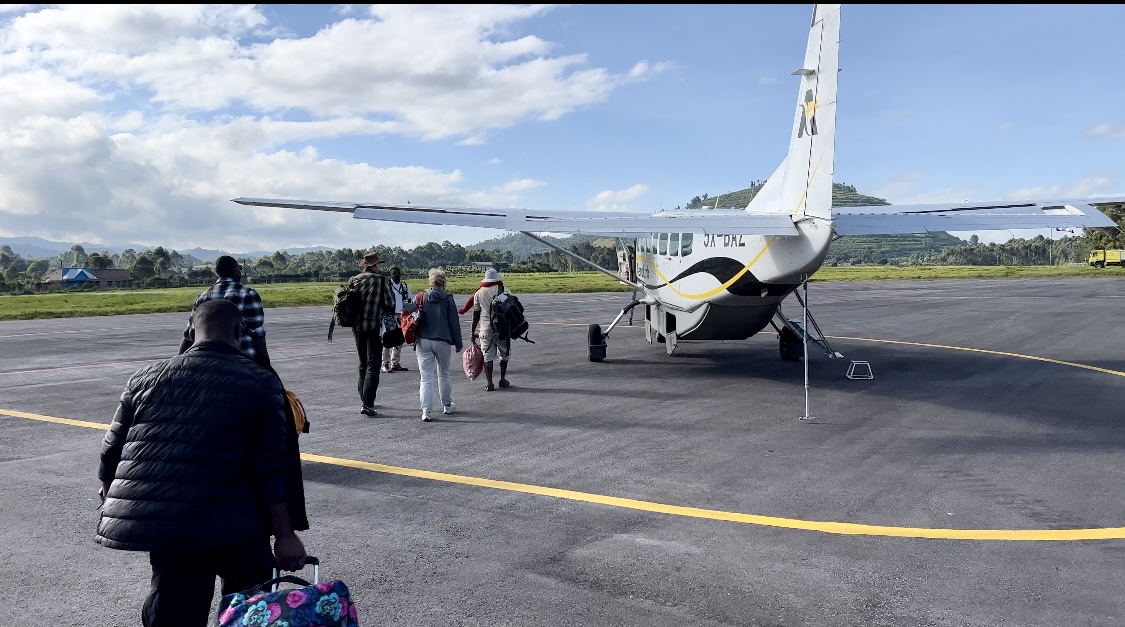
Skip the long road transfer and fly from Entebbe to southwestern Uganda for an unforgettable mountain gorilla trekking experience in Bwindi Impenetrable National Park.
Buutu Safaris designs private fly-in gorilla journeys for travellers with limited time, older guests, couples, photographers and anyone who prefers a more comfortable route into Uganda's gorilla country.
A fly-in gorilla safari uses a domestic flight to reach southwestern Uganda instead of driving the entire journey from Entebbe or Kampala.
After landing at Kisoro or Kihihi, your Buutu Safaris driver-guide welcomes you and transfers you to your selected Bwindi lodge.
Flights make it possible to spend more of a short Uganda holiday enjoying your lodge, rainforest surroundings and mountain gorilla encounter.
Fly-in safaris can also be combined with other wildlife destinations, including Queen Elizabeth, Murchison Falls and Kidepo Valley National Parks.
Both options provide the same opportunity to trek mountain gorillas. The main difference is how you travel to the forest, how long transfers take and your preferred budget.
| Feature | Fly-In Safari | Road Safari |
|---|---|---|
| Travel from Entebbe | Domestic flight plus road transfer to lodge | Full overland journey by safari vehicle |
| Typical travel time | Approximately 1–2 hours flying, plus ground transfer | Often approximately 9–10 hours by road |
| Comfort | Less time travelling on long-distance roads | More prolonged time in the vehicle |
| Best for | Short trips, luxury travellers and guests who prefer fewer long drives | Travellers who prefer overland sightseeing or lower transport costs |
| Cost consideration | Domestic airfare increases transport cost | Often lower transport cost, depending on the route |
| Gorilla trekking | Same ranger-guided gorilla trekking experience | Same ranger-guided gorilla trekking experience |
A fly-in gorilla safari is particularly worthwhile for travellers who want to avoid long road transfers to Bwindi and make the most of a limited holiday. Flying from Entebbe to Kisoro or Kihihi allows you to reach southwestern Uganda more comfortably. Although domestic airfare adds to the cost, it can make a short gorilla safari significantly more convenient.
The most convenient airstrip depends on the gorilla trekking sector assigned to your permit and the location of your lodge.
Kisoro is commonly used for southern Bwindi, including the Rushaga and Nkuringo trekking sectors.
It can also be useful for itineraries involving Mgahinga Gorilla National Park and the Virunga region.
Rushaga offers access to standard gorilla trekking and Uganda's longer Gorilla Habituation Experience.
Kihihi is commonly used for northern Bwindi, particularly Buhoma and parts of Ruhija.
It may also suit trips that combine Bwindi with Queen Elizabeth National Park, depending on the itinerary and road transfers.
We select the best airstrip after confirming your trekking sector, accommodation and domestic flight options.
Depart Entebbe on a domestic flight to the appropriate southwestern Uganda airstrip.
Meet your private safari driver-guide and transfer to your lodge near the assigned gorilla trekking sector.
After an early breakfast, attend the park briefing before entering the forest with authorized rangers.
Once your gorilla family is located, enjoy up to one hour observing it. Return to the same lodge for a second night.
Enjoy breakfast before the road transfer back to the airstrip for your return domestic flight.
Arrive in Entebbe and continue with your onward travel arrangements.
Domestic flights reduce time spent on long road journeys, making travel to Bwindi more comfortable.
Trekking difficulty itself remains variable and should be discussed before booking.
Combine convenient domestic flights with private guiding and carefully selected accommodation.
Your itinerary can be tailored around your preferred lodge, travel dates and comfort requirements.
A short fly-in itinerary provides access to one of Africa's most extraordinary wildlife encounters without dedicating full days to long-distance driving.
Combine mountain gorillas with game drives and a boat safari on the Kazinga Channel.
This is a popular combination for guests who want gorillas and traditional big game within one Uganda holiday.
Add chimpanzee trekking or a chimpanzee-focused forest experience to your gorilla safari.
Kibale and Bwindi are natural highlights of a longer Uganda primate itinerary.
For longer journeys, Uganda's more distant wildlife parks provide outstanding scenery and varied game-viewing opportunities.
Suitable internal flights or charter arrangements can help make extended itineraries more practical.
Continue beyond Uganda to experience the Maasai Mara or the Serengeti.
These trips combine mountain gorilla trekking with East Africa's famous savannah wildlife destinations.
From a short three-day gorilla adventure to multi-country wildlife journeys, explore our selected itineraries below. Every safari can be tailored around your dates and preferences.
Gorilla permits are limited and should be coordinated with your travel dates. Your confirmed trekking sector determines which lodge and airstrip are most suitable.
Buutu Safaris can arrange the permit, accommodation, driver-guide and domestic flight as one coordinated itinerary.
Domestic flight schedules and luggage allowances vary by operator and aircraft type.
Soft-sided luggage is commonly recommended. Check the permitted weight for your booked service and avoid planning overly tight international connections.
For travellers focused primarily on mountain gorillas, a 3-day fly-in Bwindi safari is an efficient option. For a wider wildlife experience, consider five or more days combining gorillas with Queen Elizabeth National Park, chimpanzees or another East African destination. Your best itinerary depends on your available time, budget and interests.
Yes. Scheduled domestic flights connect Entebbe with Kisoro and Kihihi airstrips. From either airstrip, travellers continue by road to their lodge and assigned gorilla trekking sector.
Kisoro is generally more convenient for Rushaga and Nkuringo in southern Bwindi. Kihihi commonly serves Buhoma and parts of Ruhija. The appropriate airstrip depends on your confirmed permit, lodge and flight schedule.
The flight commonly takes approximately one to two hours, depending on the route and intermediate stops. You must also allow time for the road transfer from the airstrip to your lodge.
Yes. A typical 3-day itinerary flies from Entebbe to southwestern Uganda on Day 1, includes gorilla trekking on Day 2, and returns to Entebbe by air on Day 3.
It is generally more comfortable to stay in Bwindi after trekking and fly out the following day. Trekking duration varies and does not always align with domestic flight departure times.
Prices vary by trip length, accommodation category, flight routing, season and the activities included. Buutu Safaris provides a personalised quotation showing the permit, flights, accommodation and ground services.
Permit inclusion depends on the confirmed safari quotation. Buutu Safaris can coordinate the gorilla permit, domestic flights and lodge arrangements together.
Yes. Flying reduces lengthy road transfers and can make the overall journey more comfortable. Gorilla trekking itself still involves walking on natural forest terrain, so individual fitness and mobility should be considered.
You can explain any fitness or mobility concerns in advance. However, an easy trek cannot be guaranteed because mountain gorillas move freely and the park authorities manage trekking assignments.
Yes. A private fly-in itinerary can combine mountain gorillas in Bwindi with game drives and a Kazinga Channel boat safari in Queen Elizabeth National Park.
Yes. Buutu Safaris can arrange multi-country journeys combining Uganda gorilla trekking with the Maasai Mara in Kenya or Serengeti in Tanzania. The routing depends on flight availability, travel dates and immigration requirements.
Buutu Safaris can arrange private ground transportation and guiding. Scheduled domestic flights are shared with other passengers unless a private charter is specifically arranged.
Not sure which itinerary suits you best? Tell us your preferred travel dates, number of guests, accommodation preferences and the wildlife experiences you would love to include. Our Uganda-based safari specialists will help design a private fly-in gorilla safari around your schedule and travel style.
Get My Custom Fly-In Gorilla Safari Quote
For most travelers planning gorilla trekking in Uganda or Rwanda, the safest approach is to confirm permit availability before purchasing non-refundable international flights. Gorilla permits are limited by the number of visitors allowed to visit habituated gorilla families each day. During popular travel periods, permits for preferred dates may become unavailable months in advance.
Travelers should coordinate their gorilla permits, accommodation and flights before making irreversible payments. This is particularly important when traveling from the United States, Germany or Europe where international journeys require significant advance planning.
If the group is bigger than four people, permits should be booked even sooner. This lets the group trek in a single sector.
The off-season months are March, April, May.
They are November as well.
Yes, Gorilla Trekking Permits: Book Before Flights? (2027) may sell out six months before the trip.
Moreover, gorilla families tracked are a finite number, so daily permits are limited.
As such, the number of families in a sector determines permits available.
In Uganda, Rushaga sector has families and therefore permits available.
This is because group trip operators are known to purchase permits in bulk
One ought to book the international flights first because they are more difficult to book and more expensive. The local flights can be booked afterwards because there is greater flexibility.
If your preferred date is unavailable then you ought to consider alternative dates.
No. Gorilla permits are paid in cash and can only be booked through registered AUTO members. UWA advises permits to be booked through agents (https://ugandawildlife.org/wp-content/uploads/2024/07/Guidelines-for-the-management-of-gorilla-and-chimpanzee-tracking-JULY-2024.pdf). AUTO members act as the official channels for reservation and confirmation. For more details, refer to the linked guidelines.
Cancellation of gorilla permit or postponement of gorilla trekking allows rescheduling a fully paid permit up to two times. The first change is free, while the second incurs a 25% surcharge. Refunds, typically 60% to 75% minus charges, are strictly restricted to early notices (91+ days) or approved medical or emergency cases.
| Time before travel | Recommended action |
| 9–12 months | Decide on Uganda, Rwanda or both, especially for fixed peak-season travel |
| 6–9 months | Check permit availability and shortlist suitable lodges |
| 3–6 months | Finalise flights, transport and accommodation once key arrangements are confirmed |
| 1–3 months | Complete final documentation, packing and travel preparations |
Planning a Gorilla Trek in 2027? Check Permit Availability Before You Book Your Flights.
CEO I Gorilla Specialist & Conservationist
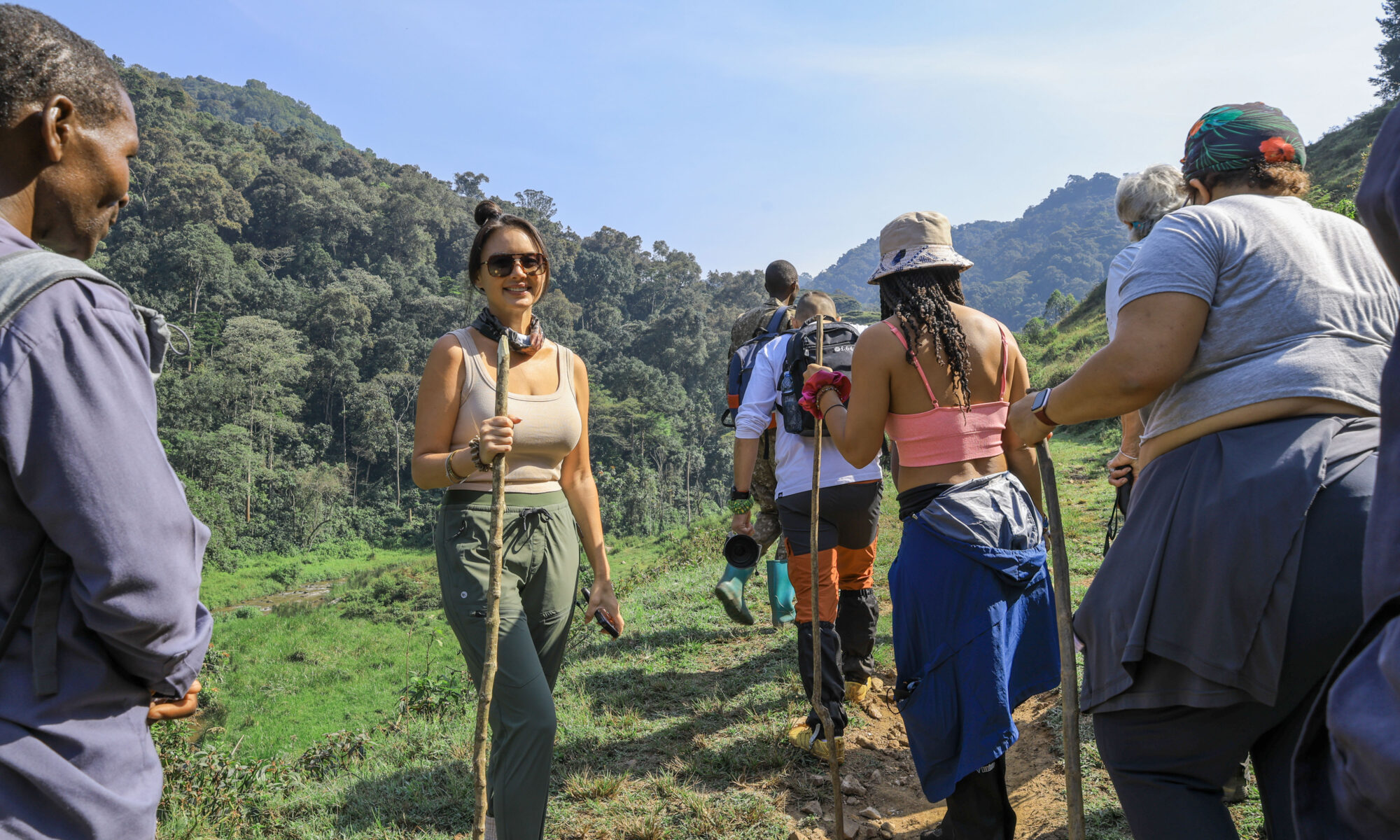
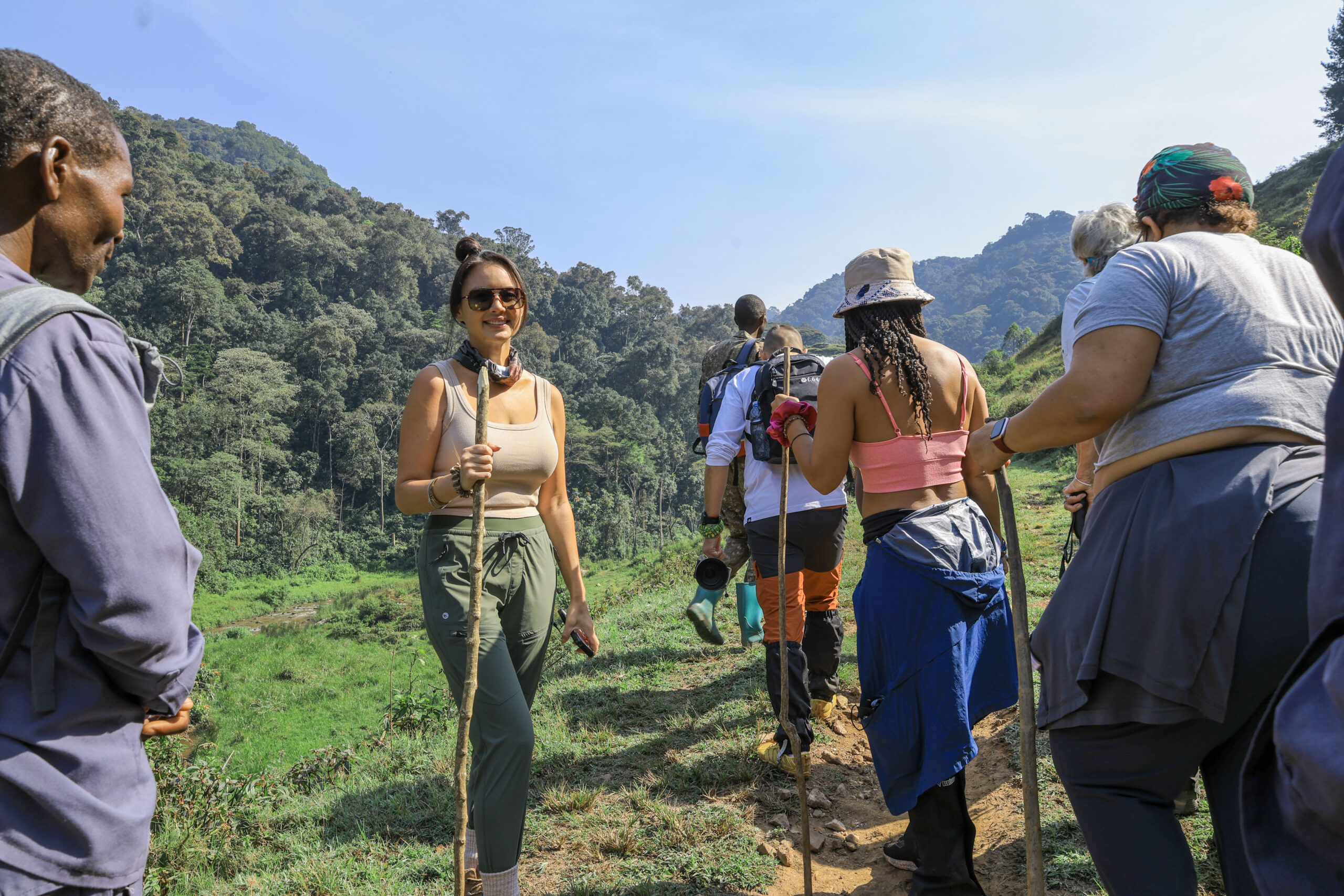
Rushaga · Bwindi · Uganda
The Ultimate Gorilla Habituation ExperienceUganda’s Gorilla Habituation Experience (GHE) is an immersive wildlife research activity conducted exclusively in the Rushaga sector of Bwindi Impenetrable National Park, granting visitors up to four hours with a semi-habituated mountain gorilla (Gorilla beringei beringei) family.
Led by Uganda Wildlife Authority (UWA) researchers, conservation ecologists, and armed rangers, participants actively observe nesting sites, behavioral data collection, and habituation protocols. Capped at strictly four tourists per group per day, this extended encounter is purpose-built for professional wildlife photographers, conservation biologists, and primate enthusiasts seeking four times the contact window of standard one-hour gorilla treks.
At Buutu Safaris, our local gorilla trekking specialists help travellers plan their four-hour gorilla habituation experience in Uganda, including permits, accommodation near Rushaga, transport and personalised safari itineraries.
Plan Your Gorilla Habituation SafariHabituation is the careful, gradual process of helping a wild gorilla family tolerate limited human presence. Authorized conservation personnel regularly monitor the gorillas and observe how they respond to nearby people.
Gorillas do not become domesticated. They continue to live in their natural rainforest habitat.
Unlike a standard trek to an already habituated family, the four-hour experience focuses on gorillas that are still progressing through the habituation process.
Visitors gain an unusual opportunity to appreciate the observation, fieldwork and conservation efforts that make carefully controlled gorilla tourism possible.
Uganda's visitor Gorilla Habituation Experience is associated with the Rushaga sector of Bwindi Impenetrable National Park in southwestern Uganda.
Bwindi has several distinct trekking areas, with different access roads and accommodation options. Rushaga is in the southern part of the park and is commonly reached via Kisoro.
Choosing a lodge near the correct trekking area helps avoid unnecessary early-morning transfers.
Your lodge should be chosen according to the location of your confirmed habituation permit, rather than simply selecting any accommodation advertised as being in Bwindi.
Buutu Safaris can coordinate your permit, southern Bwindi lodge, ground transport and optional flight from Entebbe.
The Gorilla Habituation Experience costs more than a standard gorilla trek because it provides a longer permitted encounter and has a smaller visitor group.
| Experience | Standard Gorilla Trek | Gorilla Habituation |
|---|---|---|
| Published international permit price | US$800 | US$1,800 (2027 rate) |
| Time with gorillas | Up to 1 hour | Up to 4 hours |
| Visitor group | Up to 8 | Typically up to 4 |
| Gorilla family | Habituated | Undergoing habituation |
| Ideal traveller | First-time visitors and broader safari trips | Photographers and dedicated gorilla enthusiasts |
Permit rates depend on travel date, residency category and official tariff. Check the applicable Uganda Wildlife Authority rate before confirming a booking. The prices above exclude accommodation, transport and other safari services.
Gorilla habituation can be worth the additional cost if spending meaningful time observing mountain gorillas is a central goal of your African safari. The longer encounter creates more opportunities to watch family interactions, feeding, resting and movement. However, a standard one-hour trek remains an excellent choice for many first-time visitors, particularly those managing a tighter budget.
Watch how a family moves through its forest home, feeds on vegetation, pauses to rest and responds to changing activity around it.
With luck, you may observe youngsters playing, mothers caring for infants or adults interacting through grooming and other social behaviour.
Additional observation time can help photographers respond to changing rainforest light and capture a greater variety of natural moments.
Forest photography requires patience. Four hours can be particularly rewarding for travellers working with changing light, moving subjects and partially obscured views.
When mountain gorillas are the highlight of your journey, the extended encounter may justify a larger share of your travel budget.
Travellers who have already enjoyed a standard gorilla trek may appreciate the different pace and conservation perspective of a habituation experience.
The experience offers an opportunity to understand the careful work involved in monitoring wild gorilla families and managing responsible tourism.
There is no fixed trekking distance. Your route depends on where the gorillas have moved and on conditions within the forest.
Comfortable hiking boots, rain protection, suitable clothing, drinking water and reasonable physical preparation are important.
We also recommend hiring a local porter. Porters can help carry personal equipment and provide useful assistance on difficult sections.
Age by itself does not determine whether a traveller can participate. Mobility, balance, endurance, previous hiking experience and personal comfort on steep forest trails are more useful considerations.
Discuss walking ability, knee or hip limitations, balance and any other mobility concerns before selecting the experience.
Extra nights in Bwindi, rest days and accommodation in the correct trekking sector can make the overall journey more comfortable.
A porter may reduce fatigue by carrying equipment and helping with difficult paths. Discuss realistic expectations with your guide.
Domestic flights offer an alternative to a long journey by road from Entebbe or Kampala. Kisoro is the principal air gateway for Rushaga and other southern Bwindi trekking areas.
From the airstrip, continue by road to your lodge with your safari guide.
Flight schedules, luggage limits and road-transfer times should be checked when planning.
| Safari Length | Suggested Experiences |
|---|---|
| 3–4 Days | Travel to Bwindi, four-hour gorilla habituation and return |
| 5–6 Days | Gorilla habituation plus a separate standard gorilla trek |
| 6–8 Days | Gorilla habituation with chimpanzees or a wildlife extension |
| 8–10 Days | Gorilla habituation, chimpanzees and a traditional big game safari |
| 10+ Days | A more comprehensive Uganda primate and wildlife journey |
A compact fly-in safari to southwestern Uganda, with the Gorilla Habituation Experience as the main highlight.
View SafariCombine the remarkable Bwindi rainforest with a wildlife safari in Lake Mburo National Park.
View SafariEnjoy a standard gorilla trek and a separate four-hour Gorilla Habituation Experience on one memorable fly-in safari.
View SafariExplore more of Uganda with a longer journey combining forest primates and rewarding safari experiences.
View SafariA customizable journey combining Bwindi gorilla habituation with chimpanzee encounters in western Uganda.
Request This SafariYes. A private itinerary can include Uganda's four-hour habituation experience and a standard gorilla trek in Rwanda's Volcanoes National Park.
This is especially appealing for travellers who want to experience two different gorilla trekking destinations.
A possible journey begins in southern Bwindi, continues toward Kigali and then reaches Rwanda's Volcanoes National Park.
Cross-border transport, entry requirements, permits and accommodation should be planned together.
Choose standard gorilla trekking for the classic one-hour encounter at a lower permit cost. Choose gorilla habituation when additional time with the gorillas, photography or detailed observation matters more to you. If time and budget permit, experiencing both on separate days offers a particularly rewarding comparison.
Drier conditions can make some walking sections easier, although Bwindi is a rainforest and rain remains possible.
Popular travel periods may require earlier permit and accommodation planning.
Rain can make steep sections muddy and slippery, but the forest can be especially atmospheric with mist, dramatic greenery and shifting light.
Because habituation permits are limited, your available dates can be just as important as seasonal conditions.
It is a guided wildlife experience in which a small group of visitors accompanies authorized guides, trackers and researchers to observe a mountain gorilla family undergoing habituation.
The experience permits up to four hours of observation once the authorized gorilla encounter begins. Walking and tracking time is additional and varies.
The tourism Gorilla Habituation Experience operates in the Rushaga area of southern Bwindi Impenetrable National Park, Uganda.
The published international visitor rate for 2027 is US$1,800 per person. Verify the applicable permit tariff and availability for your actual travel date before booking.
Gorilla habituation groups are generally limited to four visitors, rather than the maximum of eight visitors on a standard gorilla trek.
Rwanda offers standard mountain gorilla trekking in Volcanoes National Park, but not the equivalent four-hour tourism Gorilla Habituation Experience offered in Uganda.
It can be. Tracking gorillas undergoing habituation may involve a longer forest day, steep terrain and variable walking distances. The physical demands depend on the group location and prevailing conditions.
Some older travellers can participate depending on mobility, balance, stamina and fitness. Discuss any limitations with your safari planner before permits are purchased.
Yes. Scheduled domestic flights from Entebbe to Kisoro can reduce the long overland journey, followed by a road transfer to your southern Bwindi lodge.
Yes. The longer permitted observation period can provide more opportunities to watch gorilla behaviour and work with changing rainforest light, although sightings and photographic conditions are never guaranteed.
Tell us your preferred travel dates, number of travellers and ideal trip length. Our Uganda-based safari specialists can help check permit availability, choose accommodation near Rushaga, arrange fly-in or overland transport and combine the experience with standard gorilla trekking, chimpanzees or big game.
Get My Custom Gorilla Habituation Safari Quote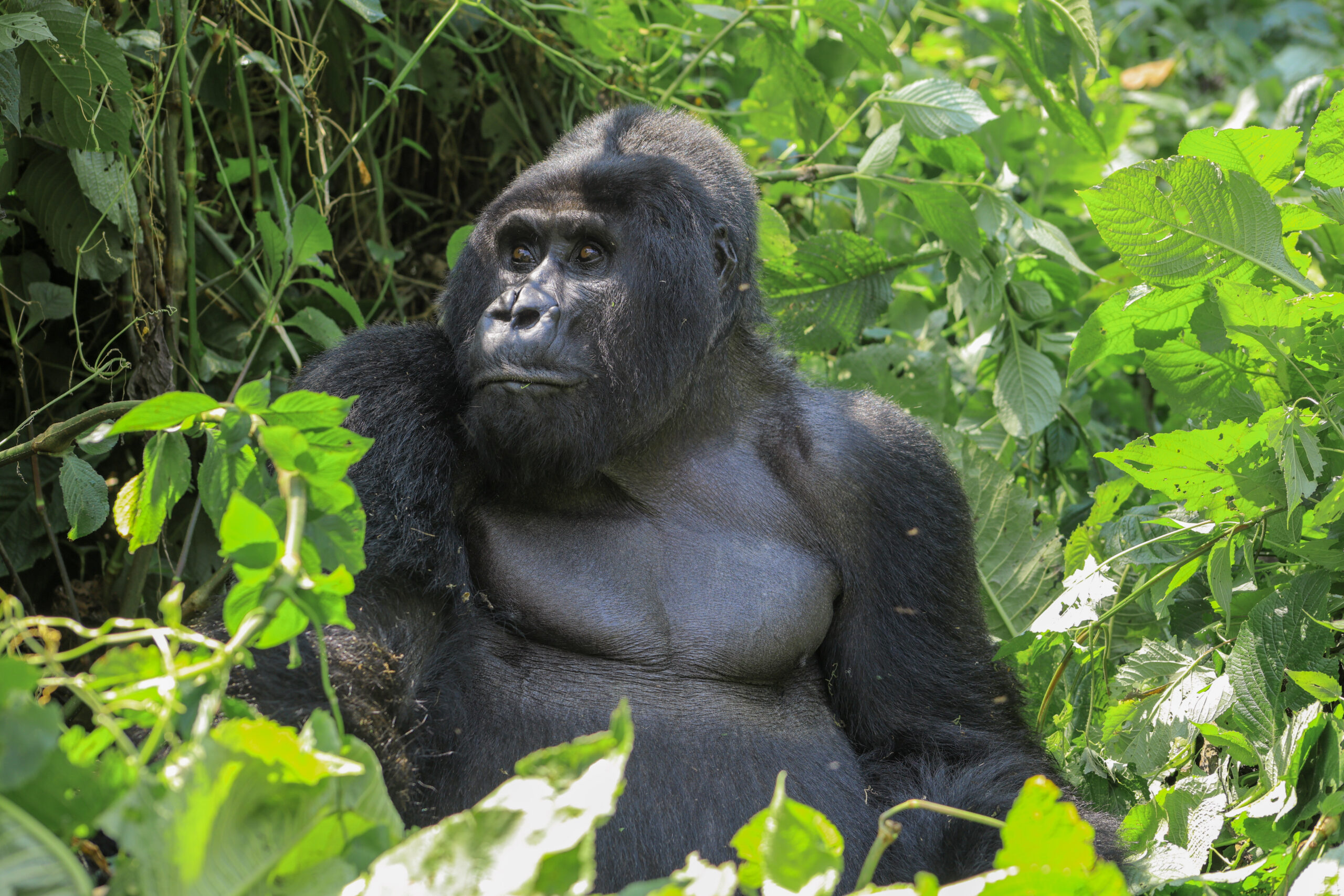
Firstly, here is a quick summary of Gorilla permits cost 2027. Additionally, it highlights the main points to consider.
National wildlife authorities set Gorilla permit prices and keep them non-negotiable. Additionally, there were proposals to raise the price by Uganda Wildlife Authority. But objections from the Association of Uganda Tour Operators led UWA to prioritize stability through 2026-2027. Uganda Wildlife Authority is also mooting the idea of low-season discounted permit offers. This helps explain Gorilla permits cost 2027.
Standard gorilla trekking permits cost $800 in Uganda ($600 during low-season promotional months) and $1,500 in Rwanda. The 4-hour Gorilla Habituation Experience in Uganda costs $1,500, rising to $1,800 on January 1, 2027.
National wildlife authorities, the Uganda Wildlife Authority (UWA) and the Rwanda Development Board (RDB), issue permits based on nationality.
Additionally, Gorilla permits cost 2027 depend on residency status.
| Trekking Category / Location | Foreign Non-Residents | Foreign Residents | East African Citizens |
| Uganda (Standard Trekking) | US $800 | US $700 | UGX 250,000 (~$68) |
| Uganda (Low-Season Promo: Apr, May, Nov) | US $600 | US $500 | UGX 250,000 |
| Uganda (Habituation Experience — 4 Hours) | US $1,500 (Rises to $1,800 Jan 1, 2027) | US $1,000 (Rises to $1,600 Jan 1, 2027) | UGX 750,000 |
| Rwanda (Volcanoes National Park) | US $1,500 | US $500 | US $200 |
| DR Congo (Kahuzi-Biega / Virunga) | US $400 | US $200 | Local Rates Apply |
Note: Democratic Republic of Congo (DRC) permits are lower due to regional security advisories. The vast majority of travelers choose Uganda or Rwanda.
A gorilla permit is purely an access pass issued by the government. Understanding what is included versus excluded prevents surprises when booking a trip:
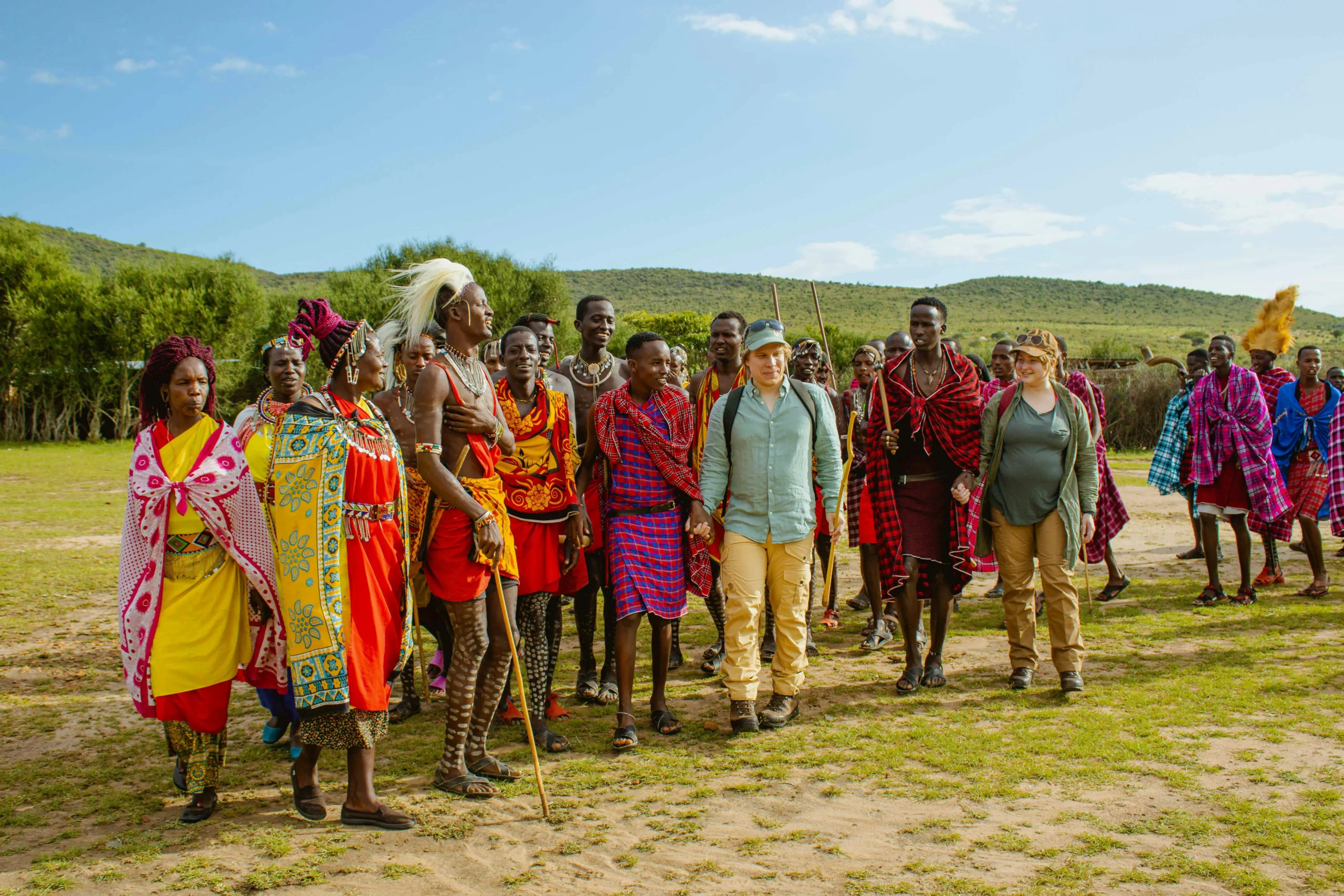
At Buutu Safaris, we believe the future of Conservation & People depends on a simple truth.
Moreover, wildlife, tourism and local communities cannot be separated from one another.
Africa’s national parks and protected areas do not exist in isolation. They sit beside villages, farms, towns and communities whose daily lives are directly connected to the landscapes travelers come to see.
That means conservation cannot succeed by protecting wildlife while marginalizing the people who live closest to it.
Moreover, Conservation & People should be at the heart of efforts, with all stakeholders in rich ecosystems involved.
Mountain gorillas, elephants, lions, chimpanzees and other wildlife depend on healthy ecosystems. Protecting those ecosystems requires strong institutions, effective park management, anti-poaching work, scientific monitoring and long-term habitat protection.
But those measures are only part of the equation.
Conservation becomes more durable when the people living around national parks see tangible value in protecting wildlife.
Additionally, Conservation & People ties this value to protecting natural habitats, strengthening long-term stewardship.
Tourism has helped create that value.
Park fees, gorilla permits, conservation levies and tourism spending can support wildlife protection, ranger operations, research and habitat management. At the same time, safari tourism creates livelihoods for guides, trackers, drivers, lodge staff, porters, farmers, craftspeople, suppliers and small business owners.
When tourism revenue circulates through communities, conservation stops being something imposed from outside and becomes something local people have a direct stake in sustaining.
This has been best exemplified by the gorilla conservation efforts of the last decade which have put Ugandan and Rwandan communities at the heart of gorilla tourism through employment.
For too long, African tourism has often been marketed through the lens of the visitor while the people who live in these destinations remain in the background.
That has changed over the past few years. African guides, conservationists, entrepreneurs, communities and local tourism businesses have risen to become experts, decision-makers, owners and beneficiaries within the tourism economy.
The people who live beside forests and national parks understand these landscapes in ways that cannot be replicated from afar.
They know the seasons.They know the wildlife.They understand the pressures facing local communities.They carry cultural knowledge, ecological knowledge and generations of lived experience.
A stronger tourism industry is one in which that knowledge is valued and African people are meaningfully represented at every level — from guiding and hospitality to ownership, conservation leadership and tourism planning.
Travelers may spend a few days beside a national park.
Communities living around protected areas experience the realities of conservation every day.
They may live alongside elephants that raid crops, predators that threaten livestock, restrictions on land use or forests that can no longer be accessed as they once were.
These communities therefore carry costs that are easy for visitors to overlook.
If conservation asks local people to bear those costs, tourism must also help create meaningful benefits.
Those benefits should go beyond occasional donations.
They should include:
The strongest conservation model is not one in which communities are merely asked to protect wildlife.
It is one in which they have a reason to want conservation to succeed.
Uganda’s mountain gorillas provide a powerful example of the relationship between tourism and conservation.
Gorilla trekking is strictly regulated, and permit revenue contributes to the management and protection of the forests where mountain gorillas survive.
But the wider impact of gorilla tourism extends far beyond the park boundary.
Every gorilla safari creates an economic chain.
A traveler may stay at a lodge, hire a porter, travel with a local guide, buy food grown nearby, purchase crafts, use local transport and support businesses that depend directly or indirectly on tourism.
That economic activity matters.
When communities around Bwindi and Mgahinga benefit from the presence of gorillas, the animals become more than a conservation symbol.
They become part of a local economy with real value to the people living beside the forest.
That is one of the most important links between tourism and long-term conservation.
A safari should not be understood only as a wildlife product.
Every safari depends on landscapes, ecosystems, communities and conservation systems that require constant investment.
Responsible tourism should therefore help replenish what it uses.
That means supporting:
The goal should be simple:
tourism should leave a destination stronger than it found it.
Where tourism money goes matters just as much as how much is spent.
When travelers choose locally rooted operators, guides, lodges and suppliers, more of the economic value of tourism can remain within the countries and communities where the experience takes place.
That strengthens local businesses and creates a deeper connection between tourism and conservation.
At Buutu Safaris, we believe African tourism should create opportunities for Africans.
That means supporting local expertise, local employment and local enterprise while building safaris that respect both wildlife and the people who share the landscape with it.
For us, responsible tourism is not a slogan.
It means making practical choices throughout the safari.
It means working with experienced local guides.
It means supporting responsible lodges.
It means encouraging the use of porters on gorilla treks.
It means buying locally where possible.
It means respecting wildlife rules and conservation limits.
It means designing itineraries that do not treat communities merely as attractions.
And it means recognizing that conservation and tourism are strongest when local people have meaningful economic and social benefits from both.
A safari may begin as a personal dream: seeing a mountain gorilla, watching elephants cross a savanna or hearing chimpanzees calling through the forest.
But the journey exists within a much larger system.
The permit you purchase.
The guide you travel with.
The lodge you stay in.
The porter you hire.
The community enterprise you visit.
The conservation organization supported by tourism revenue.
Each choice contributes to what tourism becomes.
That is why every safari matters.
Buutu Safaris is a Uganda-based company, and our connection to these landscapes is personal.
We do not see African wildlife as something separate from African people.
We see conservation, community and tourism as parts of the same future.
Our responsibility is therefore not only to create memorable journeys for our guests, but also to support a form of tourism in which wildlife is protected, local expertise is respected and communities have a meaningful place in the tourism economy.
We work with local guides, tourism businesses, accommodation partners and communities that share that philosophy.
And we believe the most successful safari is one that creates value on both sides of the journey:
an extraordinary experience for the traveler and a lasting benefit for the destination.
Africa’s wildlife faces enormous pressures.
Habitat loss, climate change, population growth, poverty and competing demands for land will continue to challenge conservation in the decades ahead.
Tourism alone cannot solve those problems.
But well-designed tourism can be one of the tools that helps.
It can give wildlife economic value.
It can fund conservation.
It can create livelihoods.
It can support locally owned businesses.
It can give communities a stronger stake in protecting the ecosystems around them.
And it can ensure that the people closest to Africa’s wild places are not pushed to the margins of the tourism industry built around them.
When you travel with Buutu Safaris, you are not simply visiting Africa’s wild places.
You are participating in a tourism economy that can help determine whether those places — and the communities around them — continue to thrive.
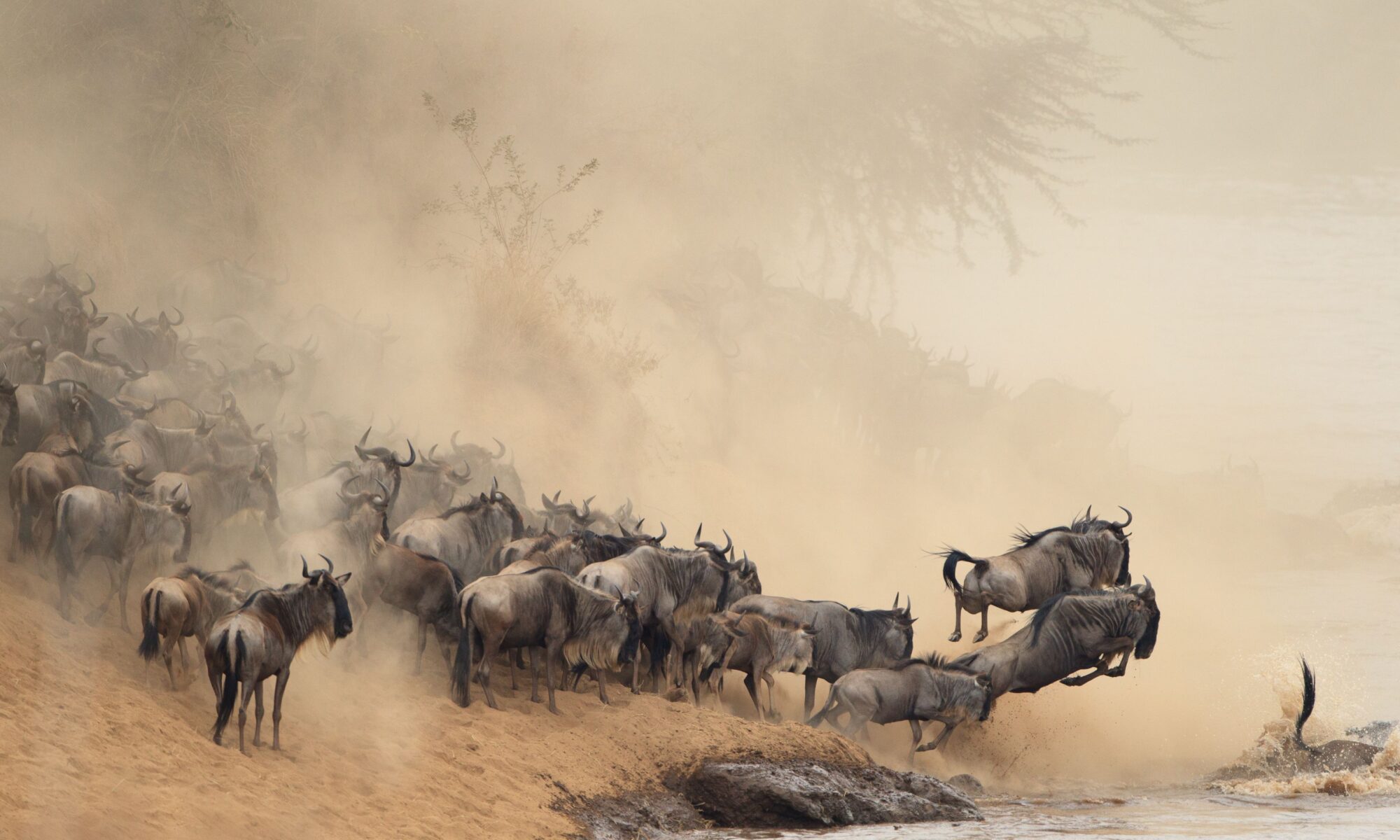
Considered the most thrilling spectacle in the animal kingdom, the annual mass migration of wildebeest and other herbivores, with their ever-attendant entourage of predators is a breathtaking experience.
In this year-round cycle across the Serengeti-Mara ecosystem, over 1.5 million wildebeest, 400,000 zebra, 300,000 Grant’s and Thomson’s gazelle and 12,000 eland throng the landscape, following the rain, in search of fresh pastures.
The timing of this phenomenon has changed in recent years due to uncertain rainfall patterns, with herds splitting and moving in different directions, before reassembling again.
Rotation of the wildebeest movement:
Jan – Mar: The herds are usually calving and feeding on short grass in southern serengeti, Northern Ngorongoro( Nduutu area). This part of the country has nutrient rich soils that are good for the wildebeest and their calves.
Apr – May: This time of the year the herds move in splinter groups through the central to the Gurumeti river. This is usually the best time
Jun – Jul: Depending on the amount of rain during this time. The herds are congregating in the western corridor before moving to the north.
Aug: By August, the herds have faced the challenge of crossing the Mara River and are spread throughout the Masai Mara’s northern region, with many remaining in the northern Serengeti. In years when the river is in full flow, the panic and confusion at the crossings — combined with waiting predators and surging currents — can cause massive loss of life. But, even in years of relatively gently flowing water, the crocs take their toll, not to mention the lions and other large predators that patrol the banks, ready to ambush any wildebeest that make it to the other side.
Sept – Oct, the main chaos has ended and the migrating columns have gradually moved eastward. However, the wildebeest will face the heavy waters of the Mara River once more as they prepare to cross once again for their return journey southwards.
Nov: the rains begin propelling the wildebeests down south to the rejuvenating grasses in the serengeti.
Dec: The herds congregate on the short grass plains of the southern Serengeti and northernmost regions of the Ngorongoro Conservation Area. An estimated 500 000 calves are born during a two- to three-week window in February. This mass calving draws a staggering number of predators eager to prey on the vulnerable newborns.
Our conclusion:
Jun-August is the best time to witness the great migration. During this time the number of animals migrating across parks is at its highest, with predator numbers high as well to take advantage of the opportunity to snatch up prey making its way across to the river.
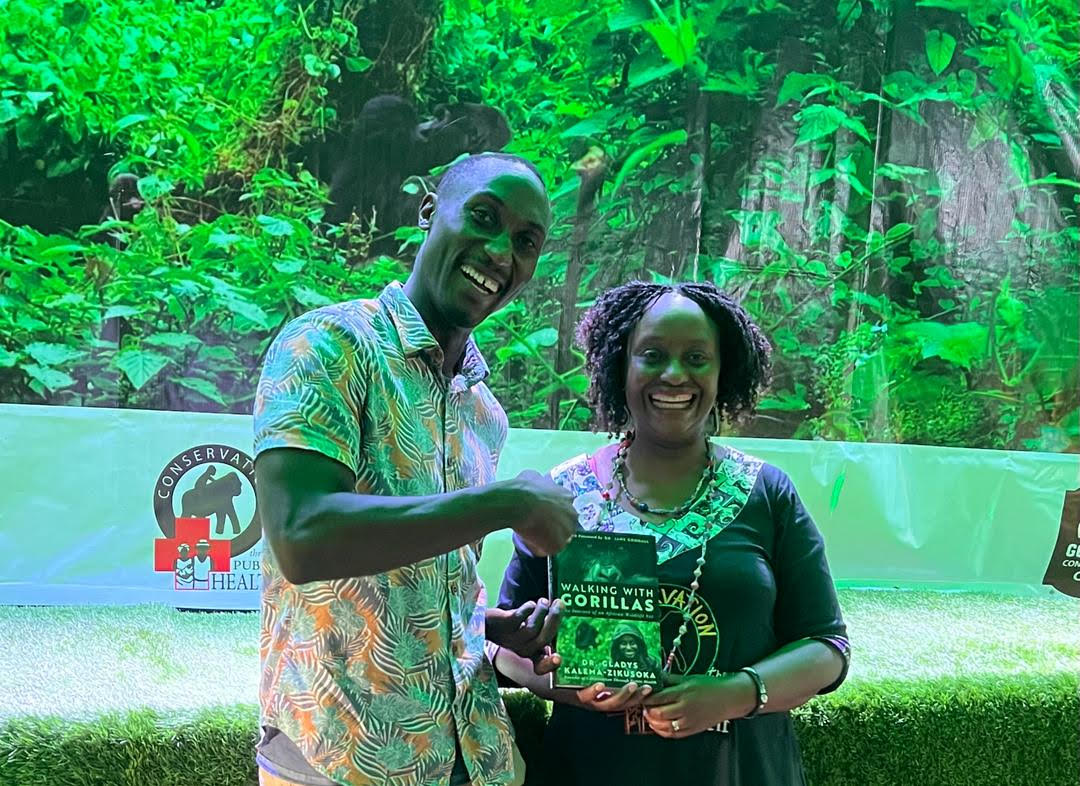
Our Chief Exploring Officer Daudi Mutalya Balye had the good fortune of catching up with Dr Gladys Zikusoka-Kalema at the launch of her groundbreaking book – Walking With Gorillas. The book details the remarkable journey undertaken by Uganda’s first wildlife vet and the great work of the men and women of Uganda in the conservation of Uganda’s rich biodiversity. We spoke and posed pertinent questions to her for insights of one of Uganda’s leading thinkers and conservationists.
Daudi Mutalya (Buutu Safaris): Congratulations on the monumental book “Walking with the Gorillas”. It was impossible to put the book down when I started reading. I hope more people will read the book and that the book will inspire young and old for generations to come. Thank you for taking the lead in writing a good African story. Gorilla conservation in Uganda has been a tremendous success. How can we scale up this successful conservation model?
Dr Zikusooka Kalema: Yes. I think the success is down to the fact that when Bwindi Impenetrable National Park (BINP) was created, conservation had changed from keeping people out and wildlife in, to engaging communities in conservation. And so that is the main reason gorilla conservation has been a success story. Most of the people from the area were employed by the park. The park focused on employing people from the area around the park. 20% of the park entry fees goes to the communities and 10 dollars from every permit goes to the communities. All this really helped.
And, the entrepreneurs, the porters have all been supported. The porters are some of the wealthiest in the community. The whole industry has developed around gorillas. The schools and the clinics were supported. It supported the entire economy and turned it around. So people were more willing to protect gorillas because they knew there was a future.
Local involvement, increased revenue sharing and improved veterinary care. All gorillas which fall sick will have someone attending to them. And also improving community health because when people are healthy, they will not make the gorillas sick, and that’s what we focus on in Conservation Through Public Health. The revenue sharing can improve but it is better than in most places.
Daudi Mutalya BTS: The success of gorilla conservation has led to more gorillas. We can assume the continued success of gorilla conservation is going to further increase the number of gorillas so how do we then increase the space for gorilla habitat?
I think we can increase the space for the gorillas by expanding the park. We have no choice. Rwanda has already started doing it. Uganda has to do it. We have to expand the park by convincing people to sell their land. We can’t run away from it. And they have already started selling to tour operators.
Which I feel is not very good because the gorillas will be locked in by the lodges. Some areas like where there is that narrow neck is a key area. We need land for the gorillas themselves.
I know some lodges do put aside land but others just put buildings.
Daudi Mutalya BTS: We have a rich traditional heritage and yet a huge part has been lost in times of modernity. You have a rich Buganda traditional background. How do we reclaim some of the lost traditional conservation practices that were at the core of conservation?
Through conservation education.
Documenting everything is key to preserving our traditional heritage. We are not very good at doing things as Africans. We are good at talking but not writing.
Engaging the cultural institutions, our ancestors for example the Buganda, Tooro kingdom or whichever kingdom. They all have clan leaders and people with this traditional knowledge. Our ancestors and clan leaders, all that is very important. We need to tap it before it disappears.
When we were celebrating 10 years of UWEC we got the Nabagereka (The Queen of Buganda) to help. In fact, I write about it in the book.
Buutu Safaris: How do we get conservation outside the park to a more traditional way where conservation remains at the centre of our society?
We need to engage the kingdoms and work closely with the clan leaders. I am so glad that Prince Wassajja was here. We need to revitalise that – working closely with the clan leaders.
Thank you so much once again. All the best with the book tour.
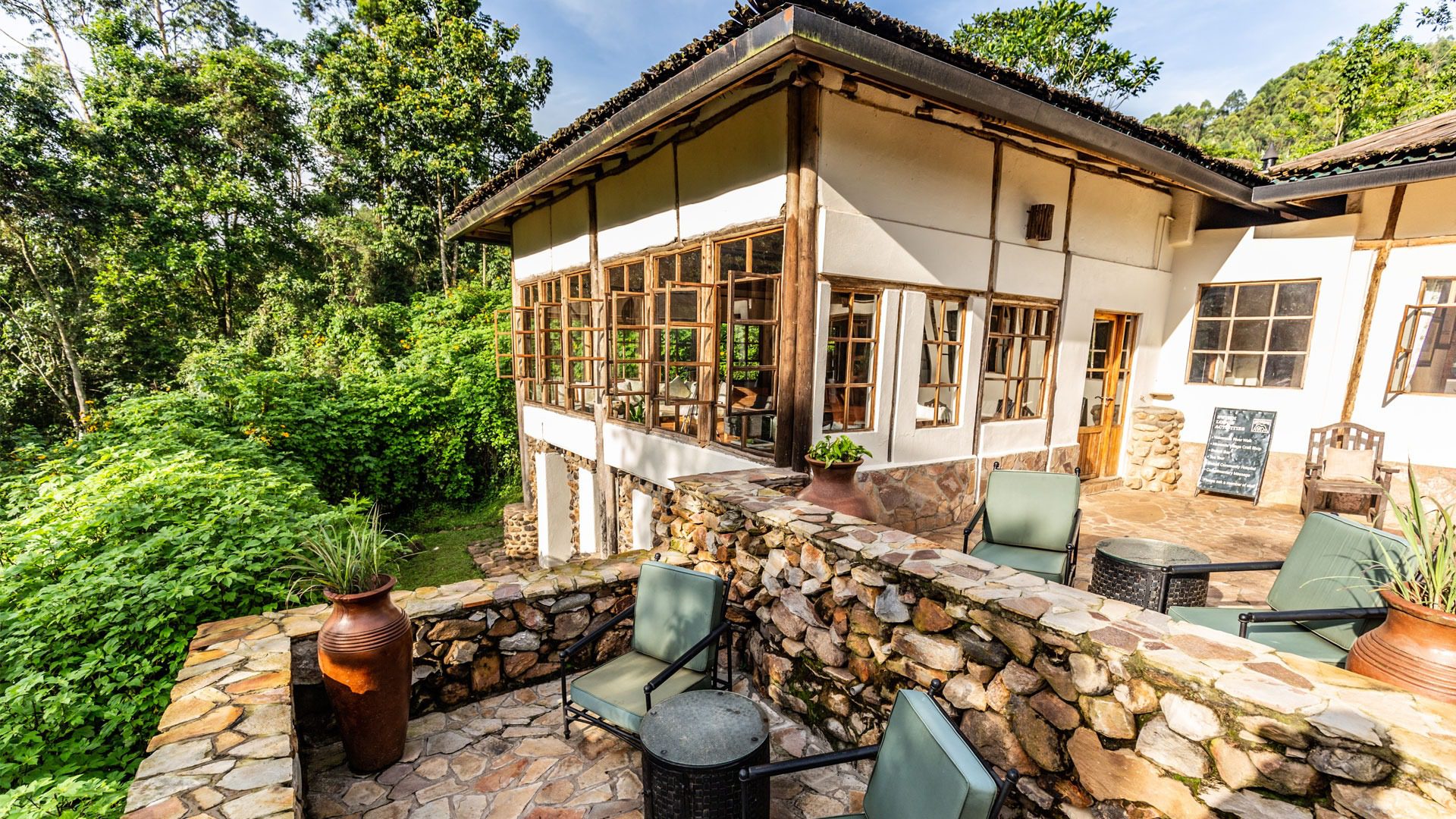
Hey traveler! If you are planning a gorilla trekking safari to Bwindi Impenetrable National Park, I am about to save you from making the single biggest mistake I see tourists make.
As a safari consultant that has been in this business for over 10 years, I see it all the time: a traveler buys a gorilla permit for the Rushaga sector in the south, but accidentally books a beautiful luxury lodge in the Buhoma sector in the north. It’s because Bwindi is a massive, ancient rainforest with winding, mountainous dirt roads; driving between those two points takes nearly three or more hours. If your ranger briefing starts at 7:30 AM, a wrong lodge booking means waking up at 4:30 AM just to commute to the start line!
To keep your trip stress-free, you must book your lodge in the exact same sector as your gorilla permit.
Here is my honest, ground-level breakdown of where to stay in Bwindi, categorized by sector and budget.
1. Buhoma Sector (The North)
Best for: Short drives from Kihihi airstrip(Approximately 2 hours), easier trekking terrain, and classic luxury. Buhoma is the headquarters and the birthplace of gorilla tourism in Uganda. It has the gentlest slopes, the oldest habituated gorilla families, and the most developed infrastructure.
2. Rushaga Sector (The South)
Best for: Abundant gorilla families, the Gorilla Habituation Experience, and stunning valley views. Rushaga has the highest number of habituated gorilla groups. It is also the only place where you can do the Gorilla Habituation Experience (spending 4 hours with the gorillas instead of 1).
3. Ruhija Sector (The East)
Best for: Birdwatchers, cooler mountain air, and a quieter, less commercial vibe. Ruhija sits at a higher elevation, making it cooler and excellent for birding (look out for the rare African Green Broadbill). The hills are steep here, providing a true, rewarding challenge for hikers.
4. Nkuringo Sector (The Southwest)
Best for: Physical fitness enthusiasts and the most dramatic views in Uganda. Nkuringo offers the most physically demanding trek in the park, but it rewards you with breathtaking views of the entire Virunga chain and the rolling hills of southwestern Uganda.
An Expert’s Golden Tip for Packing
No matter where you choose to stay, remember that Bwindi is a rainforest. Make sure your lodge has a laundry service or a drying room, because your hiking clothes will get muddy, wet, and sweaty during the trek. Most mid-range and luxury lodges will clean your hiking boots for you right after the trek—a small luxury that is worth it’s weight in gold.