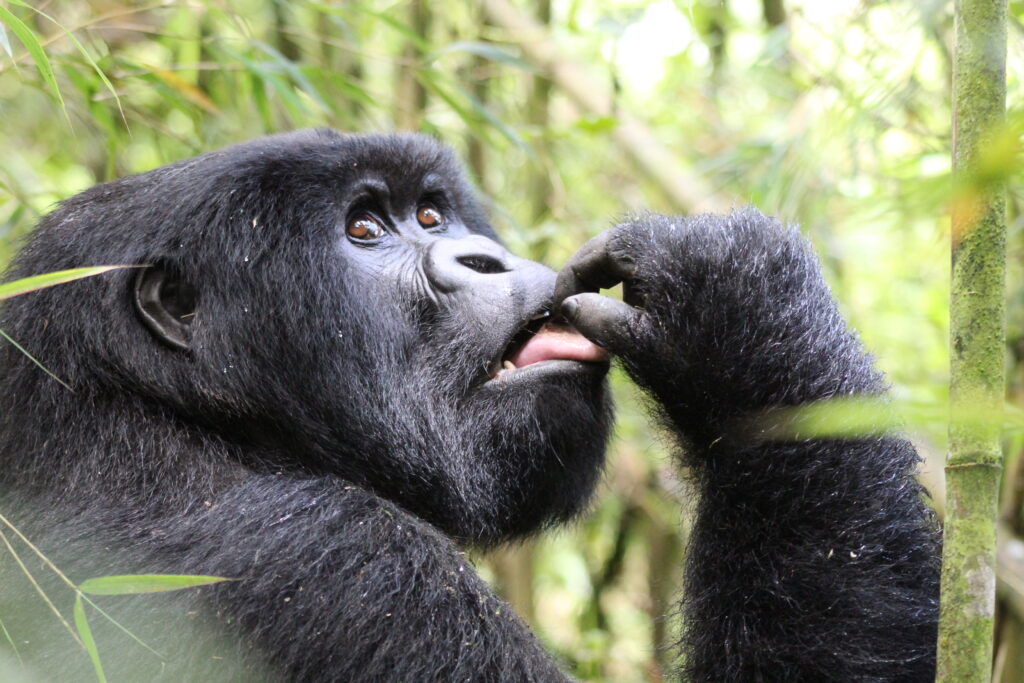
How Fit Do I Need to Be for Gorilla Trekking?

“Am I fit enough to see the gorillas?” It is the number one question we hear at Buutu Safaris. If you are wondering whether you need to be an Olympic athlete to trek through the dense jungles of Bwindi or Volcanoes National Park, take a deep breath—the answer is much more approachable than you might think. Gorilla trekking is a physical activity, but it is not a race. Because you only get one hour with the gorillas, there is no benefit to rushing; the pace is set by the slowest member of your group, and rangers are accustomed to accommodating various fitness levels.

While you should expect to hike anywhere from two to six hours across uneven, hilly terrain, if you can walk comfortably for a few hours, you are likely in a great position to succeed. You don’t need to hit the gym for years to prepare, but consistent, light conditioning 8–12 weeks before your departure can make your experience significantly more enjoyable. We recommend focusing on cardio—such as brisk walking, cycling, or jogging—for 30–45 minutes, three to four times a week. Additionally, strengthening your legs and core with exercises like squats and lunges will provide the stability needed for navigating muddy, uneven forest trails.

At Buutu Safaris, we prioritize your comfort and success by offering tailored support. Hiring a local porter is a game-changer; they act as your personal assistant on the trail, helping you over difficult sections and carrying your pack so you can focus entirely on the forest environment. We also offer premium “fly-in” safaris that minimize long, bumpy road transfers, ensuring you arrive at your trek feeling fresh and energized. By preparing your body with moderate exercise and utilizing our expert support, you will find that the physical challenge is merely the prelude to an incredible encounter.

Ready to start your journey? Explore our custom, all-inclusive safari packages here and book your trip with Buutu Safaris!

Gorilla Trekking with Children: Is It Allowed in Uganda and Rwanda?

A family safari to East Africa can be one of the most memorable trips you ever take. Seeing elephants, giraffes, and lions together is exciting for children, but for many families, the ultimate experience is coming face-to-face with a mountain gorilla.

This naturally raises an important question for parents: Can children go gorilla trekking in Uganda or Rwanda?

The short answer is yes—but only if they are at least 15 years old.

Both Uganda and Rwanda currently set the minimum age for gorilla trekking at 15 years. Children younger than 15 can still enjoy an incredible family safari in either country, but they cannot participate in the official gorilla trek.

What Is the Minimum Age for Gorilla Trekking?

The minimum age for gorilla trekking is:

DestinationMinimum Gorilla Trekking Age
Uganda15 years
Rwanda15 years

In Uganda, the Uganda Wildlife Authority states that the minimum age for tracking and viewing mountain gorillas is 15 years.

Rwanda has the same rule. Visit Rwanda confirms that visitors must be 15 years or older to participate in gorilla tracking in Volcanoes National Park.

Therefore, a family travelling with a 15-, 16- or 17-year-old can trek together, provided everyone has a valid gorilla permit and is physically capable of completing the trek.

Why Can’t Children Under 15 Trek Gorillas?

The age restriction is not simply about whether a child is physically strong enough to walk through the forest. There are several important conservation and safety reasons behind the rule.

Protecting Gorillas from Human Disease

Mountain gorillas are genetically very close to humans, which means they are susceptible to some human respiratory infections.

A seemingly minor cold or flu carried by a visitor can potentially be transmitted to gorillas. Uganda Wildlife Authority therefore has strict health and distancing procedures designed primarily to protect the gorillas from human illnesses.

Young children may find it more difficult to follow instructions regarding distance, coughing, sneezing or remaining quiet around the gorillas.

Gorilla Behaviour Can Be Unpredictable

Habituated mountain gorillas are accustomed to seeing people, but they remain wild animals.

During an encounter, a gorilla may walk towards visitors, vocalise loudly or even perform a display. An adult silverback can weigh well over 100 kilograms.

Visitors must remain calm and follow the ranger’s instructions. Running, screaming or making sudden movements could create unnecessary risk.

Older teenagers are generally better able to understand and respond appropriately to these situations.

Gorilla Trekking Can Be Physically Demanding

Another factor is the terrain.

In Uganda, gorilla trekking takes place in Bwindi Impenetrable National Park and Mgahinga Gorilla National Park. Uganda Wildlife Authority advises that treks can last approximately two to seven hours, depending on the location of the gorilla family.

The forest may involve:

  • steep hills
  • slippery trails
  • thick vegetation
  • mud
  • stream crossings
  • high altitude
  • several hours of continuous walking

Rwanda’s Volcanoes National Park also involves trekking through mountainous terrain.

Although some gorilla families may be found relatively quickly, there is never a guarantee that a trek will be short.

Can a 15-Year-Old Go Gorilla Trekking?

Yes.

Once a child has reached the age of 15, they can participate in gorilla trekking in both Uganda and Rwanda under the same general conditions as an adult visitor.

For active teenagers who enjoy wildlife and outdoor adventures, gorilla trekking can be an extraordinary experience.

Parents should still consider the teenager’s:

  • fitness level
  • ability to walk for several hours
  • comfort around wild animals
  • ability to follow ranger instructions
  • enthusiasm for the experience

A reluctant teenager may not enjoy several hours climbing through a wet forest simply because their parents want them to see gorillas.

On the other hand, teenagers interested in wildlife, photography, conservation or nature often consider gorilla trekking one of the highlights of an African safari.

Can a 14-Year-Old Go Gorilla Trekking in Uganda?

Under the official Uganda Wildlife Authority guidelines, the minimum age for tracking and viewing gorillas is 15 years.

Families sometimes encounter online articles suggesting younger children may be allowed under exceptional circumstances. Parents should not plan a safari on the assumption that an exception will be granted.

The safest approach is to regard 15 as the required minimum age unless Uganda Wildlife Authority provides written approval for a specific situation.

This is particularly important because gorilla permits are limited and often purchased months before travel.

Can Children Under 15 Go Gorilla Trekking in Rwanda?

No. Rwanda also officially sets the minimum gorilla trekking age at 15 years.

Gorilla trekking takes place in Volcanoes National Park, where visitors hike through the Virunga Mountains to find habituated mountain gorilla families.

Families travelling with children younger than 15 should therefore plan alternative activities for them while older family members undertake the gorilla trek.

What Can Younger Children Do While Parents Trek Gorillas?

Having a child under 15 does not mean you should postpone your entire Uganda or Rwanda safari.

In fact, both countries offer excellent opportunities for family travel.

Family Safaris in Uganda

Uganda is particularly suitable for families because gorilla trekking can easily be combined with a traditional wildlife safari.

While parents or older siblings trek gorillas, younger children can participate in age-appropriate activities depending on where the family is staying.

Elsewhere on the safari, families can enjoy:

Game drives: Children can see elephants, lions, giraffes, buffaloes, zebras, antelopes and many other animals from the safety and comfort of a safari vehicle.

Boat safaris: Uganda has excellent wildlife cruises, including the Kazinga Channel in Queen Elizabeth National Park and the Nile in Murchison Falls National Park.

Lake Bunyonyi: Families can relax beside one of Uganda’s most beautiful highland lakes after visiting Bwindi.

Community and cultural experiences: Selected community visits, crafts, storytelling and village activities can introduce younger travellers to local cultures.

Nature and birdwatching activities: Uganda is one of Africa’s richest birding destinations, making even short nature walks surprisingly rewarding.

For families with children of different ages, we can therefore arrange the itinerary so that older family members trek gorillas while younger children have their own supervised activities.

Is Uganda or Rwanda Better for Gorilla Trekking with Teenagers?

Both destinations offer outstanding gorilla encounters, but the overall travel experience is different.

Choose Uganda if you want a broader family safari

Uganda works especially well for families wanting to combine gorillas with:

  • chimpanzees
  • lions
  • elephants
  • giraffes
  • boat safaris
  • Lake Bunyonyi
  • traditional game drives
  • longer multi-day safaris

Gorilla trekking takes place in Bwindi Impenetrable National Park and Mgahinga Gorilla National Park.

Families can therefore build an entire wildlife holiday around the gorilla trek rather than travelling to East Africa solely for one activity.

Choose Rwanda if you want a shorter gorilla-focused trip

Rwanda can be very convenient for families who have limited time.

Volcanoes National Park is relatively accessible from Kigali, making it possible to incorporate gorilla trekking into a shorter itinerary.

Rwanda’s gorilla permit currently costs US$1,500 per person per day, and the minimum trekking age remains 15.

The best choice therefore depends less on the quality of the gorilla experience—which is exceptional in both countries—and more on the type of safari your family wants.

How Difficult Is Gorilla Trekking for Teenagers?

There is no single answer because every gorilla trek is different.

Sometimes gorillas are found relatively close to the starting point. On other days, they may have travelled deep into the forest.

For families travelling with teenagers, tell your safari specialist about the ages and fitness levels of everyone trekking.

Where possible, park authorities and guides may take physical ability into consideration when allocating visitors to gorilla groups, although an easy trek can never be guaranteed.

Teenagers should have:

  • comfortable waterproof hiking boots
  • long trousers
  • long-sleeved shirts
  • gardening or trekking gloves
  • a lightweight rain jacket
  • drinking water
  • a small backpack

Walking poles can also be helpful, particularly during wet conditions.

What Happens When You Find the Gorillas?

Reaching the gorillas is one of Africa’s great wildlife moments.

After hiking through the forest with trackers and rangers, the guide will normally ask visitors to leave unnecessary equipment behind before approaching the gorilla family.

Then the forest suddenly opens.

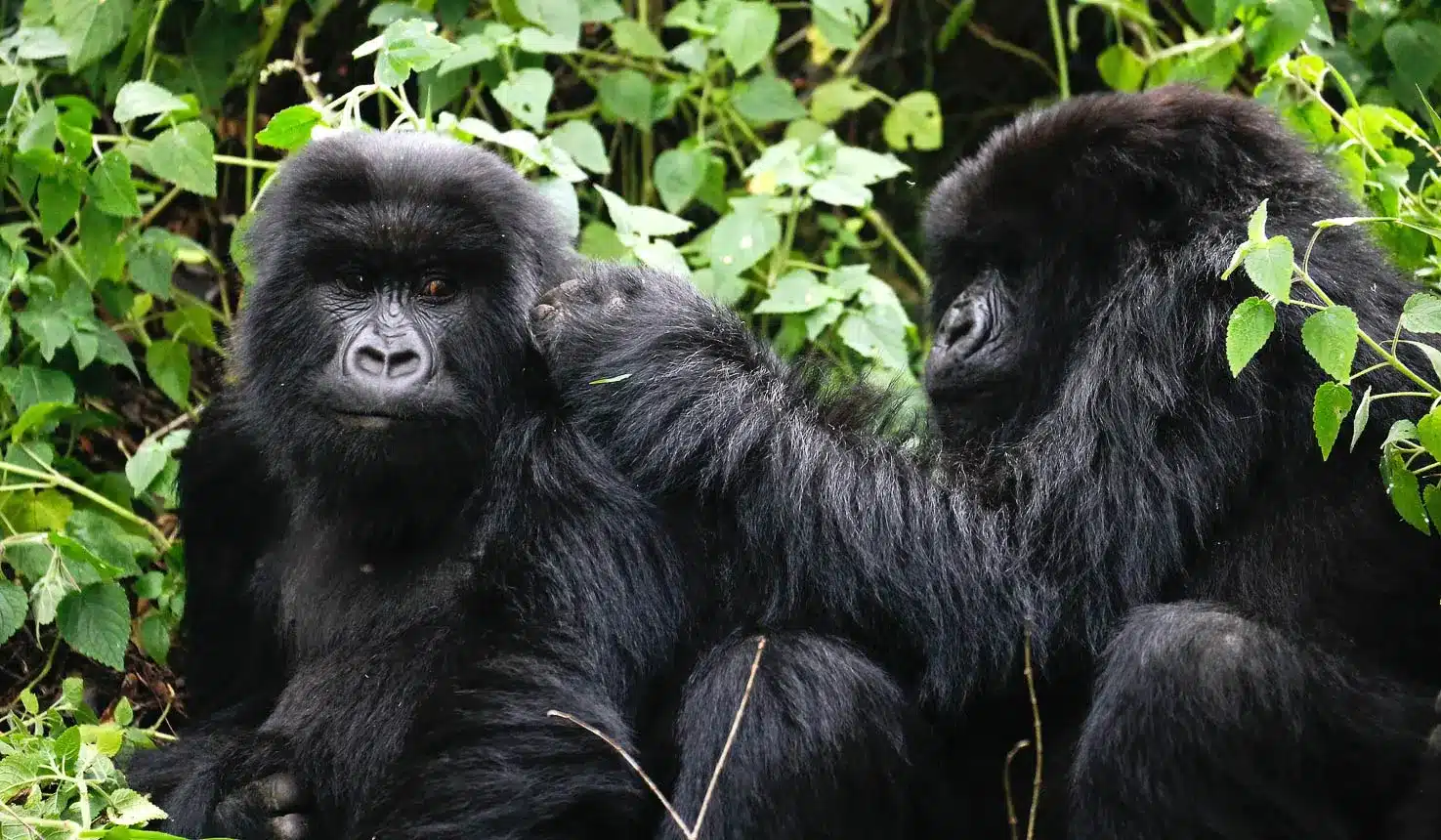
You might see a silverback sitting quietly beneath the trees, juveniles climbing through branches or a mother holding a young gorilla against her chest.

Visitors are instructed to remain quiet and follow the ranger’s directions.

In Uganda, a standard gorilla trek allows visitors approximately one hour with a habituated gorilla family.

For many families travelling with older teenagers, it becomes the moment they remember most from their African safari.

What If One Child Is Under 15 and Another Is Over 15?

This is actually quite common.

Imagine a family travelling with a 16-year-old and a 12-year-old.

The parents and 16-year-old can go gorilla trekking while arrangements are made for the 12-year-old to stay with an approved caregiver or participate in another suitable activity.

After the trek, the whole family continues the safari together.

This allows families to experience Uganda or Rwanda without excluding younger children from the holiday simply because they cannot participate in one particular activity.

Should Families Wait Until Every Child Is 15?

Not necessarily.

If seeing gorillas together as an entire family is the main purpose of the trip, waiting until the youngest child turns 15 may make sense.

But if your family wants a wider African safari, there is no reason younger children cannot travel.

You could combine gorilla trekking for eligible family members with wildlife experiences that everyone can enjoy.

In Uganda, for example, a family itinerary might include:

Entebbe → Murchison Falls → Queen Elizabeth National Park → Bwindi → Lake Bunyonyi

This gives children opportunities to see giraffes, elephants, hippos, crocodiles, lions and other wildlife before reaching the gorilla forests.

Are Gorilla Safaris Good for Families?

Absolutely—with good planning.

A family safari introduces children and teenagers to wildlife in an entirely different way from seeing animals on television or in a zoo.

They learn that mountain gorillas survive within a fragile ecosystem shared with local communities and that tourism can play an important role in conservation.

Uganda Wildlife Authority notes that tourism revenue from gorilla permits contributes to conservation and community programmes around the parks.

For teenagers in particular, standing quietly in an African rainforest watching a wild mountain gorilla only metres away can create a connection with wildlife that stays with them for life.

Frequently Asked Questions About Gorilla Trekking with Children

What is the minimum age for gorilla trekking in Uganda?

The official minimum age is 15 years according to Uganda Wildlife Authority.

What is the minimum age for gorilla trekking in Rwanda?

The minimum age is also 15 years according to Visit Rwanda.

Can a 15-year-old trek gorillas?

Yes. A 15-year-old is eligible to obtain a gorilla trekking permit in Uganda or Rwanda.

Can a 14-year-old trek gorillas?

Families should plan on the basis that no, because the official minimum age is 15.

Is gorilla trekking dangerous for teenagers?

Gorilla trekking is carefully managed by trained trackers, guides and rangers. Visitors must follow park rules because mountain gorillas remain wild animals.

Is Uganda good for a safari with children?

Yes. Uganda is particularly suitable for families because gorilla trekking can be combined with game drives, boat safaris, primate experiences, cultural activities and relaxing destinations such as Lake Bunyonyi.

Which is better for families: Uganda or Rwanda?

For families wanting a longer and more varied wildlife safari, Uganda generally offers more opportunities to combine gorilla trekking with traditional big-game safaris. Rwanda is particularly attractive for travellers wanting a shorter, convenient gorilla-focused itinerary.

Planning a Family Gorilla Safari

Gorilla trekking with children requires slightly more planning than an ordinary safari, but it can become one of your family’s greatest adventures.

The key rule to remember is simple:

Children must be at least 15 years old to go gorilla trekking in both Uganda and Rwanda.

Younger children, however, can still travel on safari and enjoy many other wildlife and cultural experiences while eligible family members trek gorillas.

At Buutu Safaris, we can design family gorilla safaris around the ages, interests and fitness levels of everyone travelling. Whether you want a short gorilla adventure or a longer journey combining Bwindi, chimpanzees, Queen Elizabeth National Park, Murchison Falls and Lake Bunyonyi, we can arrange the itinerary so every member of the family has something memorable to experience.

Planning a gorilla safari with children? Tell us the ages of your children, your travel dates and how many days you have in East Africa, and we can recommend the best Uganda or Rwanda family safari itinerary for you.

Gorilla Trekking Trip Report May 2026

Never ceases to amaze. I happened to win the office’s lottery to lead a group of 3 guests on a 4 day gorilla trekking expedition to Bwindi Impenetrable Forest. You see, at Buutu Safaris we insist on tracking every gorilla family. This enables us to get in depth knowledge about gorilla tracking in Uganda and Rwanda. As such we are able to tailor the best gorilla trekking safari experiences for our guests. What that means is that we have to track all the gorilla families in Uganda and Rwanda! Yes, it is a tough job but someone has got to do it. This time round, it just so happened that someone was in front of me.

On this 4 Day Gorilla Tracking safari, we set off quite early from Jinja city to beat the Kampala traffic jam. Day 1 on this safari is meant to reduce the monotony of driving a long distance. The journey from Jinja or Kampala to Bwindi can take 10 – 12 hours. As such, we decided to break this safari up so the journey takes 2 days. These 2 days are designed to be spent partly exploring the medley of wonders in Queen Elizabeth National park which is found along the way to Bwindi Impenetrable Forest national park.

So on day 1, we started the drive that took us through the equator crossing point, to Mbarara town and through the tea estates. We made our way through the lush kalinzu forest and finally descended into the scenic rift valley from the Kichwamba area. This drive from Mbarara to the Kyambura area is arguably one of the most scenic drives in Uganda.

We arrived in Queen Elizabeth national park in time for an evening game drive. We drove through the mating grounds in search of the usual suspects like the buffalo, lion, leopard and elephant. The setting sun and the backdrop of the Rwenzori mountain ranges made the drive magical. We saw plenty of Uganda kob antelope and a lone leopard. We then made our way to the lodge arriving late but still in time for dinner.

The following morning, we had a leisurely breakfast before we embarked on the second leg of our journey to Bwindi. Half way through the journey to Bwindi, we took a detour to the remote sector of Ishasha where we embarked on yet another game drive. This particular area has long been inaccessible by most; yet, Ishasha offers incredible big game viewing opportunities. And indeed, we saw the tree climbing lions, herds of buffalo hippopotami in Ishasha river and elephants among others.

After a long journey that took us through Queen Elizabeth National Park, we made it to the Ruhija sector of Bwindi. Ruhija, like the Buhoma, Rushaga and Nkuringo sectors of Bwindi offers sweeping views of the impressive tropical rainforest. Our early arrival allowed us a good view of the thick jungle we were going to trek through.

On day 3, the sun rose quickly as the morning mist rose above the forest. After an early breakfast, we made our way to the park headquarters a few minutes away from our lodge. We were welcomed by the hospitable rangers of Uganda Wildlife Authority and the porters from the community. We were joined by 2 other travellers making the total of our group 5. The maximum number of people that can trek a gorilla family in a day is 8. The smaller the number of people trekking a family the better that’s why I always prefer going gorilla trekking in the off season. The excitement in the group was tangible as one could easily tell the moment of truth was upon us. The thrilling journey into Bwindi was about to commence.

As always, the rangers took time to explain the do and don’ts as they prepared us to head into the depth of Bwindi Impenetrable Forest. We were allocated slots to track the Bitukura family.

We headed out for a five minute drive before we were dropped off at the tracking starting point. The rangers led us into the forest but this time we walked along the forest borders. Unlike my previous outings, this time round we stayed close to the forest edge and even when we went deep into the forest, the forest cover was not as dense. The climb was still steep but it was nothing close to the trekking in Nkuringo and Rushaga where we trekked across cliff sides. This particular gorilla family, the Bitukura family likes to remain close to the edge of the forest and often wanders into the community.  So this time round the lead trackers said they had not moved far out into the jungle to find the family.

And sure enough within 30 minutes we found the lead trackers who had gone into the forest earlier to locate the gorillas nesting grounds from the previous night. Lo and behold we saw movement and what appeared to be a very dark object. Low and behold, there was a juvenile and a black back gorilla.

We moved closer and started a count of the gorilla family. The silverback was calm and cool. The juveniles were restless as usual and the silverback was a picture of cool and quiet confidence. But unlike my previous experiences in Buhoma, Rushaga and Nkuringo sector, this gorilla family was unsettled and constantly on the move.

It turns out one of the gorillas had just recently passed away and left an orphan. The rest of the group was thus taking extra care to look after the orphan. It was quite touching to watch the silverback gorilla take the orphan on his back and take extra care to ensure the orphan baby was well.

However, it appeared our presence was unwelcome so the gorillas kept moving as though to get away from us. And when the gorillas realised we were unrelenting in our pursuit, the gorillas moved to a thicket and suddenly stopped. Unknown to us, the ground below the thicket was littered with ants which swiftly made their way into our pants. Within a few moments everyone in the group was fighting off ants. The rangers scratched, our guests smilingly brushed off and the porters laughed as they too tried to fend off the ants. Luckily, those who wore good boots and tucked their trousers into their pants survived the worst of the ant attack. As we scrambled to get away from the ants, the gorillas were unbothered and I dare say they were happy having led us into the ants. So as they wanted, we made our way out of the area as the one hour was almost over.

We began the trek back to the starting point shortly after. The one hour we were allowed had quickly elapsed and the ant attack was not allowing us extra time with the gorillas. We quickly arrived at the briefing point where we were given certificates and congratulated.

After the tracking we made the 2 hour journey to Lake Bunyonyi where we spent the evening and the night. The drive to Lake Bunyonyi took 2 hours during which we had the chance to see the best of the gorilla highlands. Upon arrival we relaxed into our exquisite Arcadia Lodge and Day 4 started with a leisurely breakfast at what is arguably Uganda’s scenic lodges, Arcadia Lodge lake Bunyonyi. We enjoyed the sweeping views of Lake Bunyonyi upon the backdrop of the three volcanoes which could all be seen on what was a crisp clear morning. The trouble is that we only had a short morning here. So after a hearty breakfast we made our way back to Kampala. Once again we made the most of the Ugandan roadside as we drove through the roadside markets, towns and gardens. We made sure to capture the area making stops to take pictures of the pristine locations along the way and of buzzing activity at some of the colourful roadside markets. In fact we were lucky to find fresh fruit from finger bananas and passion fruit which made good snacks. We got to Entebbe airport at 5pm as we used a shortcut that helped us avoid the worst of kampala traffic.

Gorilla Habituation Experience

The Gorilla Habituation Experience in Uganda’s Bwindi Impenetrable National Park offers one of Africa’s most exclusive and immersive wildlife encounters. Unlike standard gorilla trekking, which allows visitors to spend just one hour with a fully habituated gorilla family, this unique experience grants up to four hours in the company of a semi-habituated mountain gorilla group as they gradually become accustomed to human presence.

Accompanied by experienced trackers, researchers, and Uganda Wildlife Authority rangers, guests venture deep into the rainforest from early morning in search of the gorillas. The adventure begins by tracking the family from their previous night’s nesting site, providing a rare opportunity to observe their daily routines, feeding habits, social interactions, and natural behaviors while witnessing the fascinating habituation process firsthand.

This experience is exclusively in the Rushaga sector of southern Bwindi. The Gorilla Habituation Experience is one of the most sought-after gorilla encounters in the world. To ensure an intimate and low-impact experience, only four permits are issued each day. The permit currently costs USD 1,500 per person and will increase to USD 1,800 per person from 1 July 2026. Due to the rugged terrain and the extended time spent in the forest, participants should be prepared for a physically demanding but exceptionally rewarding adventure.

More than just a wildlife experience, gorilla habituation offers a unique behind-the-scenes insight into conservation and scientific research. Visitors gain firsthand knowledge of how individual gorillas are identified, how researchers monitor their movements and health, and how valuable data is collected to support the long-term protection of these endangered primates. Rather than simply observing, guests become part of the conservation journey, experiencing the challenges and triumphs involved in safeguarding one of the world’s most remarkable species.

For wildlife enthusiasts, photographers, conservation-minded travelers, and those seeking a deeper connection with nature, the Gorilla Habituation Experience delivers an unforgettable encounter that goes far beyond traditional gorilla trekking. It is a rare opportunity to spend meaningful time with mountain gorillas while contributing directly to their future survival.

Book your 9 Day Uganda Habituation 2027 Safari now!

1.Is gorilla trekking worth it?

Yes. Gorilla trekking in Uganda is widely considered one of the world’s most rewarding wildlife experiences. Seeing endangered mountain gorillas in their natural rainforest habitat creates an unforgettable encounter that few wildlife experiences can match. Visitors spend up to one hour observing gorillas as they feed, groom, play, and interact under the guidance of experienced Uganda Wildlife Authority rangers. Besides the incredible wildlife encounter, every gorilla permit directly supports conservation and local communities, making your visit meaningful as well as memorable.

For more information, read ( Relevant Blog)


2.What is gorilla trekking?

Gorilla trekking is a guided hike through tropical rainforest to locate a habituated family of endangered mountain gorillas. Experienced trackers locate the gorillas before visitors follow park rangers through the forest. Once the gorillas are found, visitors are allowed to spend one hour observing them from a safe distance while learning about their behaviour, family dynamics, and conservation.


3.Where can you go gorilla trekking in Africa?

Mountain gorilla trekking is only possible in three countries in Africa:

  • Uganda (Bwindi Impenetrable National Park and Mgahinga Gorilla National Park)
  • Rwanda (Volcanoes National Park)
  • Democratic Republic of Congo (Virunga National Park)

Uganda is home to more than half of the world’s remaining mountain gorillas, making it the most popular destination for gorilla trekking in Africa.


4.Which country is best for gorilla trekking?

For most travellers, Uganda offers the best overall gorilla trekking experience. Uganda has the largest population of mountain gorillas, the highest number of trekking permits, multiple trekking sectors in Bwindi Impenetrable National Park, and excellent value compared to Rwanda. Uganda also allows visitors to combine gorilla trekking with chimpanzee trekking, classic wildlife safaris, boat cruises, and cultural experiences within one itinerary.


5.Is Uganda or Rwanda better for gorilla trekking?

Both Uganda and Rwanda offer exceptional gorilla trekking, but they suit different travellers.

Uganda is best for travellers seeking longer safari holidays, more gorilla families to choose from, excellent value for money, and the opportunity to combine gorillas with wildlife safaris in Queen Elizabeth National Park or Murchison Falls National Park.

Rwanda is ideal for visitors with limited time because Volcanoes National Park is only about 2.5 hours from Kigali International Airport. However, Rwanda’s gorilla permits are significantly more expensive than Uganda’s.

If you’re looking for the best balance of experience, wildlife, and value, Uganda is often the preferred choice.


6.Can you see mountain gorillas in Uganda?

Yes. Uganda is one of only three countries where mountain gorillas still live in the wild. Gorilla trekking takes place in Bwindi Impenetrable National Park and Mgahinga Gorilla National Park in southwestern Uganda. Bwindi alone protects more than half of the world’s remaining mountain gorillas and contains over 20 habituated gorilla families available for trekking.


7.How close do you get to gorillas during trekking?

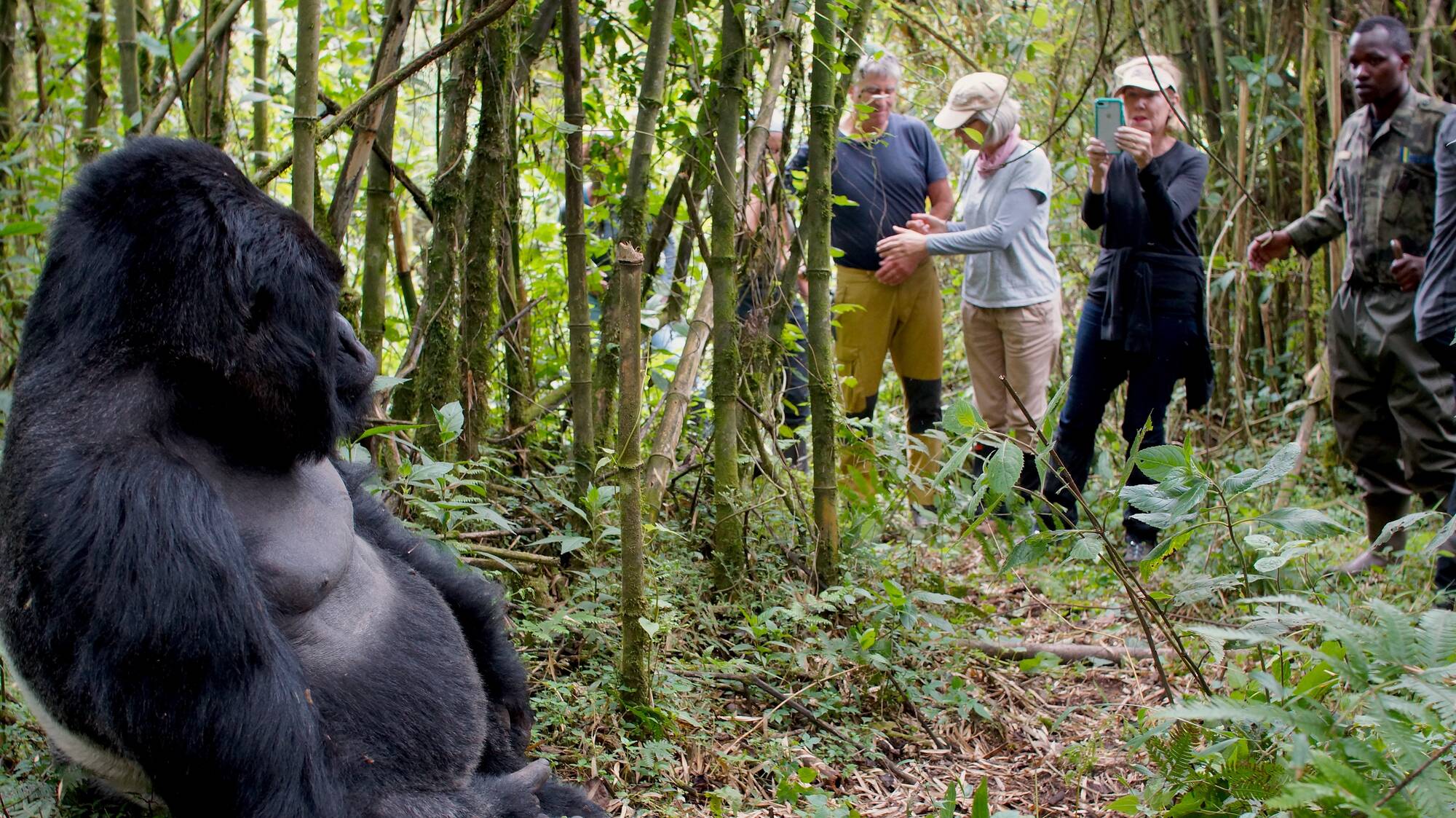
Visitors are required to stay at least 7 metres (23 feet) from the gorillas to reduce the risk of transmitting human diseases. However, mountain gorillas are wild animals, and they sometimes choose to move closer to visitors. When this happens, your guide will instruct everyone to remain calm, avoid sudden movements, and enjoy the rare moment while respecting the gorillas’ space.


8.How long does a gorilla trek take?

A gorilla trek can take anywhere from 2 to 8 hours depending on where the gorilla family is located on that particular day. The hike to reach the gorillas varies daily because the gorillas move freely through the forest. Once you find the gorillas, every visitor is allowed exactly one hour to observe and photograph them before returning.


9.How difficult is gorilla trekking?

Gorilla trekking is considered moderately to physically challenging. The trails pass through dense rainforest, steep hills, muddy slopes, and uneven terrain. The difficulty depends on where your assigned gorilla family is located that day. Most people with average fitness successfully complete the trek, and walking sticks, porters, and experienced guides are available to make the hike much easier.


10.What happens during a gorilla trekking experience?

Your day begins early with a briefing by Uganda Wildlife Authority rangers, where you’ll learn the safety rules and be assigned to a gorilla family. Guided by experienced trackers and armed rangers, you’ll hike through Bwindi Impenetrable Forest or Mgahinga Gorilla National Park following signs left by the gorillas. Once the gorilla family is found, you’ll spend one unforgettable hour watching them feed, groom, play, and care for their young. After the visit, you’ll hike back to the park headquarters and receive a gorilla trekking certificate to commemorate your experience.

11.Why is Uganda the best destination for gorilla trekking?

Uganda is considered the best destination for gorilla trekking because it is home to more than half of the world’s remaining mountain gorillas and offers the greatest number of habituated gorilla families available for visitors. Gorilla trekking takes place in both Bwindi Impenetrable National Park and Mgahinga Gorilla National Park, giving travellers more trekking options than any other country. Uganda also offers excellent value, lower permit costs than Rwanda, and the opportunity to combine gorilla trekking with chimpanzee trekking, Big Five safaris, boat cruises, and cultural experiences in one unforgettable safari.


12.Which national parks in Uganda have mountain gorillas?

Uganda has two national parks where visitors can see mountain gorillas in the wild:

Bwindi Impenetrable National Park is home to the vast majority of Uganda’s mountain gorillas and more than 20 habituated gorilla families open for tourism.

Mgahinga Gorilla National Park is Uganda’s smallest national park and is home to one habituated gorilla family that ranges through the spectacular Virunga Mountains shared with Rwanda and the Democratic Republic of Congo.

Together, these parks protect one of the world’s most important populations of endangered mountain gorillas.


13.What is the difference between Bwindi and Mgahinga?

The biggest difference is size, landscape, and trekking experience.

Bwindi Impenetrable National Park is a vast ancient rainforest with multiple trekking sectors and over 20 habituated gorilla families. It offers more permit availability, greater accommodation choices, and the highest chance of securing permits throughout the year.

Mgahinga Gorilla National Park is smaller and located within the Virunga Volcanoes. It has one habituated gorilla family and offers breathtaking volcanic scenery. Visitors can also climb volcanoes and track the endangered golden monkey, making it ideal for travellers seeking a quieter and more diverse adventure.


14.Which sector of Bwindi is best for gorilla trekking?

There is no single “best” sector because each offers a unique experience.

Buhoma is the most established sector with excellent luxury lodges and convenient access.

Rushaga has the largest number of habituated gorilla families and is the only sector offering the Gorilla Habituation Experience.

Nkuringo is known for spectacular mountain scenery and rewarding but more challenging hikes.

Ruhija offers fewer crowds, beautiful forest landscapes, and excellent birdwatching opportunities.

The best sector depends on your fitness level, preferred accommodation, permit availability, and the rest of your Uganda safari itinerary.


15.Which gorilla family should I visit in Uganda?

Every habituated gorilla family offers a unique experience, and there is no “best” family to visit. Some families are larger with several playful young gorillas, while others include impressive silverbacks or newborn infants.

The Uganda Wildlife Authority assigns visitors to gorilla families on the morning of the trek based on fitness level, permit availability, and group size. Regardless of which family you visit, every trek offers an extraordinary opportunity to observe mountain gorillas in their natural habitat.


16. Is Bwindi Impenetrable National Park worth visiting?

Absolutely. Bwindi Impenetrable National Park is one of Africa’s greatest wildlife destinations and a UNESCO World Heritage Site. Besides protecting more than half of the world’s mountain gorillas, the forest is home to hundreds of bird species, primates, butterflies, and unique plants found nowhere else.

The combination of ancient rainforest, rich biodiversity, dramatic scenery, and close encounters with mountain gorillas makes Bwindi one of the most unforgettable destinations in Africa.


17. What makes Uganda different from Rwanda and Congo?

Uganda offers the most complete gorilla safari experience in East Africa.

Compared with Rwanda, Uganda offers more gorilla families, lower permit costs, longer safari opportunities, and a greater diversity of wildlife experiences. Visitors can easily combine gorilla trekking with chimpanzee tracking, game drives, boat safaris, and cultural tours.

Compared with the Democratic Republic of Congo, Uganda provides well-developed tourism infrastructure, excellent accessibility, stable tourism operations, and consistently high conservation standards.

For travellers looking for the best overall value and safari diversity, Uganda remains the preferred destination.


18. When is the best time to visit Uganda for gorilla trekking?

Gorilla trekking is available throughout the year, but the best conditions are usually during Uganda’s two dry seasons:

  • June to September
  • December to February

During these months, forest trails are generally drier, making hiking easier.

However, Uganda’s rainforests remain green year-round, and gorilla sightings are excellent in every season. Travelling during the wetter months can also offer fewer visitors, lush scenery, and better lodge availability.


19. Can you combine gorilla trekking with a wildlife safari in Uganda?

Yes. Uganda is one of the few countries where visitors can combine mountain gorilla trekking with classic African wildlife safaris in a single trip.

Popular safari combinations include:

  • Gorilla trekking in Bwindi Impenetrable National Park
  • Chimpanzee trekking in Kibale Forest National Park
  • Tree-climbing lions in Queen Elizabeth National Park
  • Boat cruises on the Kazinga Channel
  • Big Five safaris in Murchison Falls National Park
  • Walking safaris in Lake Mburo National Park

This diversity is one of the main reasons Uganda is often called the “Pearl of Africa.”


20. How many gorilla families are available for tourism in Uganda?

Uganda currently has  25 habituated mountain gorilla families open for tourism across Bwindi Impenetrable National Park and Mgahinga Gorilla National Park. Each family can be visited by a maximum of eight people per day, helping to protect the gorillas while providing visitors with an intimate wildlife experience.

The Uganda Wildlife Authority continues to habituate additional gorilla families as conservation efforts succeed, making Uganda the country with the greatest variety of gorilla trekking experiences in the world.

21. Is gorilla trekking safe?

Yes. Gorilla trekking in Uganda is considered very safe when conducted with the Uganda Wildlife Authority (UWA). Every trek is led by experienced park rangers and trackers who monitor the gorillas daily and ensure visitors follow strict safety guidelines. Mountain gorillas are habituated to human presence, and there have been very few incidents involving tourists. By following your guide’s instructions, maintaining the recommended distance, and respecting the gorillas, you can enjoy a safe and unforgettable wildlife experience.


22. Are mountain gorillas dangerous?

Mountain gorillas are powerful wild animals, but they are generally calm, gentle, and non-aggressive towards people. The gorilla families visited during trekking have undergone years of habituation, meaning they are comfortable with carefully managed human visits. While gorillas can display defensive behaviour if they feel threatened, they rarely become aggressive when visitors follow the rules and remain respectful.


23. Is Uganda safe for tourists visiting Bwindi?

Yes. Bwindi Impenetrable National Park is one of Uganda’s safest and most popular tourist destinations. Thousands of international visitors trek mountain gorillas here every year without incident. Gorilla trekking is conducted under the supervision of trained Uganda Wildlife Authority rangers, and armed ranger escorts accompany every group as a standard safety measure. Uganda’s tourism industry has decades of experience welcoming visitors from around the world.


24. What safety rules should you follow during gorilla trekking?

To protect both visitors and mountain gorillas, every trek follows strict conservation rules. The most important guidelines include:

  • Stay at least 7 metres (23 feet) from the gorillas whenever possible.
  • Follow your ranger’s instructions at all times.
  • Speak quietly and avoid sudden movements.
  • Never touch the gorillas, even if they approach you.
  • Do not eat, drink, or smoke near the gorillas.
  • Avoid using flash photography.
  • Cover your mouth when coughing or sneezing.
  • If you feel unwell, inform the park authorities before the trek.

These rules help minimise stress for the gorillas and reduce the risk of disease transmission.


25. Can children go gorilla trekking?

Children under the age of 15 years are not allowed to participate in gorilla trekking in Uganda. This age limit is set by the Uganda Wildlife Authority to protect both visitors and the gorillas. Gorilla trekking requires physical stamina, emotional maturity, and the ability to follow safety instructions carefully. Families travelling with younger children can enjoy many other wildlife and cultural experiences while older family members participate in the trek.


26. What happens if a gorilla charges?

A true gorilla charge is extremely rare. Sometimes a silverback may perform a mock charge to display strength or protect his family. If this happens, your ranger will instruct everyone to remain calm, avoid eye contact, stay together, and never run away. In almost every case, the gorilla stops once it is satisfied there is no threat. Your guides are highly trained and know how to interpret gorilla behaviour, making these encounters safe and well managed.


27. Are there dangerous animals during gorilla trekking?

Bwindi Impenetrable National Park is home to many wild animals, including forest elephants, buffaloes, and several primate species. However, encounters with dangerous animals during gorilla trekking are uncommon. Rangers are familiar with animal movements and choose safe trekking routes each day. Armed ranger escorts accompany every group as a precaution, ensuring visitors can focus on enjoying the forest and its wildlife safely.


28. Do gorillas attack humans?

Attacks on tourists are extremely rare. Mountain gorillas are naturally peaceful animals that generally ignore visitors when treated with respect. The gorillas visited during trekking are habituated to human presence and are accustomed to researchers and tourists. Most negative encounters occur only when animals feel threatened or their space is not respected, which is why visitors must always follow the ranger’s instructions.


29. What vaccinations are recommended before gorilla trekking?

There are no vaccinations required specifically for gorilla trekking, but travellers should ensure their routine vaccinations are up to date before visiting Uganda. Commonly recommended vaccinations include:

  • Yellow Fever (required for entry into Uganda if arriving from, or transiting through, a country with Yellow Fever risk)
  • Hepatitis A
  • Hepatitis B
  • Typhoid
  • Tetanus
  • Routine childhood vaccinations

Your healthcare provider may also recommend malaria prevention medication, as Uganda is a malaria-risk country. Because mountain gorillas are highly susceptible to human diseases, visitors should avoid trekking if they have symptoms of a contagious illness.


30. What should I do if I get sick before my trek?

If you develop symptoms such as a fever, cough, sore throat, flu, diarrhoea, or any contagious illness before your gorilla trek, you should inform your tour operator and the Uganda Wildlife Authority immediately. Mountain gorillas share around 98% of their DNA with humans, making them highly vulnerable to human respiratory diseases.

In some cases, the Uganda Wildlife Authority may prevent visitors with infectious illnesses from trekking to protect the gorillas. Depending on the circumstances and permit regulations, your tour operator may be able to help explore options such as rescheduling or permit assistance. Being honest about your health helps safeguard one of the world’s most endangered species.

31. What should I wear for gorilla trekking?

Wear lightweight, long-sleeved clothing that protects you from vegetation, insects, and the cool mountain climate. The best gorilla trekking outfit includes long trousers, a long-sleeved shirt, waterproof hiking boots with good grip, thick hiking socks, gardening or trekking gloves, and a waterproof rain jacket. Neutral colours such as green, brown, or khaki are recommended because they blend into the forest environment. Avoid shorts and bright colours, as the rainforest contains stinging plants, thorny vegetation, and insects.


32. What should I pack for gorilla trekking?

Packing the right gear makes your gorilla trekking experience much more comfortable. Essential items include:

  • Waterproof hiking boots
  • Long trousers and a long-sleeved shirt
  • Lightweight rain jacket or poncho
  • Small backpack
  • Reusable water bottle (at least 2 litres)
  • Energy snacks or packed lunch
  • Camera with extra batteries
  • Binoculars
  • Sunscreen
  • Insect repellent
  • Gardening or trekking gloves
  • Walking stick (usually provided at the park)
  • Personal medications

Many visitors also hire a local porter to carry their backpack and assist on steep sections of the trail, making the trek easier while supporting local livelihoods.


33. Can beginners do gorilla trekking?

Yes. You do not need previous hiking experience to enjoy gorilla trekking in Uganda. Most visitors are first-time trekkers, and experienced Uganda Wildlife Authority rangers guide every group through the forest. Trekking routes vary in difficulty, and rangers try to assign gorilla families based on each visitor’s age and fitness level. Taking your time, wearing proper footwear, and hiring a porter can make the experience much easier for beginners.


34. What level of fitness is needed for gorilla trekking?

An average level of fitness is sufficient for most gorilla treks. The hike may involve walking through dense rainforest, climbing hills, crossing streams, and navigating muddy or uneven terrain. Some treks last only a few hours, while others can take most of the day depending on where the gorillas are located. Visitors who are reasonably active and able to walk on uneven ground generally complete the trek successfully.

For more information: ( Link to the Gorilla Trekking Guide)


35. Can seniors go gorilla trekking?

Yes. Many visitors in their 60s, 70s, and even 80s successfully trek mountain gorillas each year. The Uganda Wildlife Authority often assigns older visitors to gorilla families that are easier to reach whenever possible. Seniors can also hire porters for assistance or arrange a traditional sedan chair, locally known as the African Helicopter, where a team of porters carries visitors safely through the forest if walking becomes too difficult. This allows many people with limited mobility to experience gorilla trekking.


36. Can I take photos during gorilla trekking?

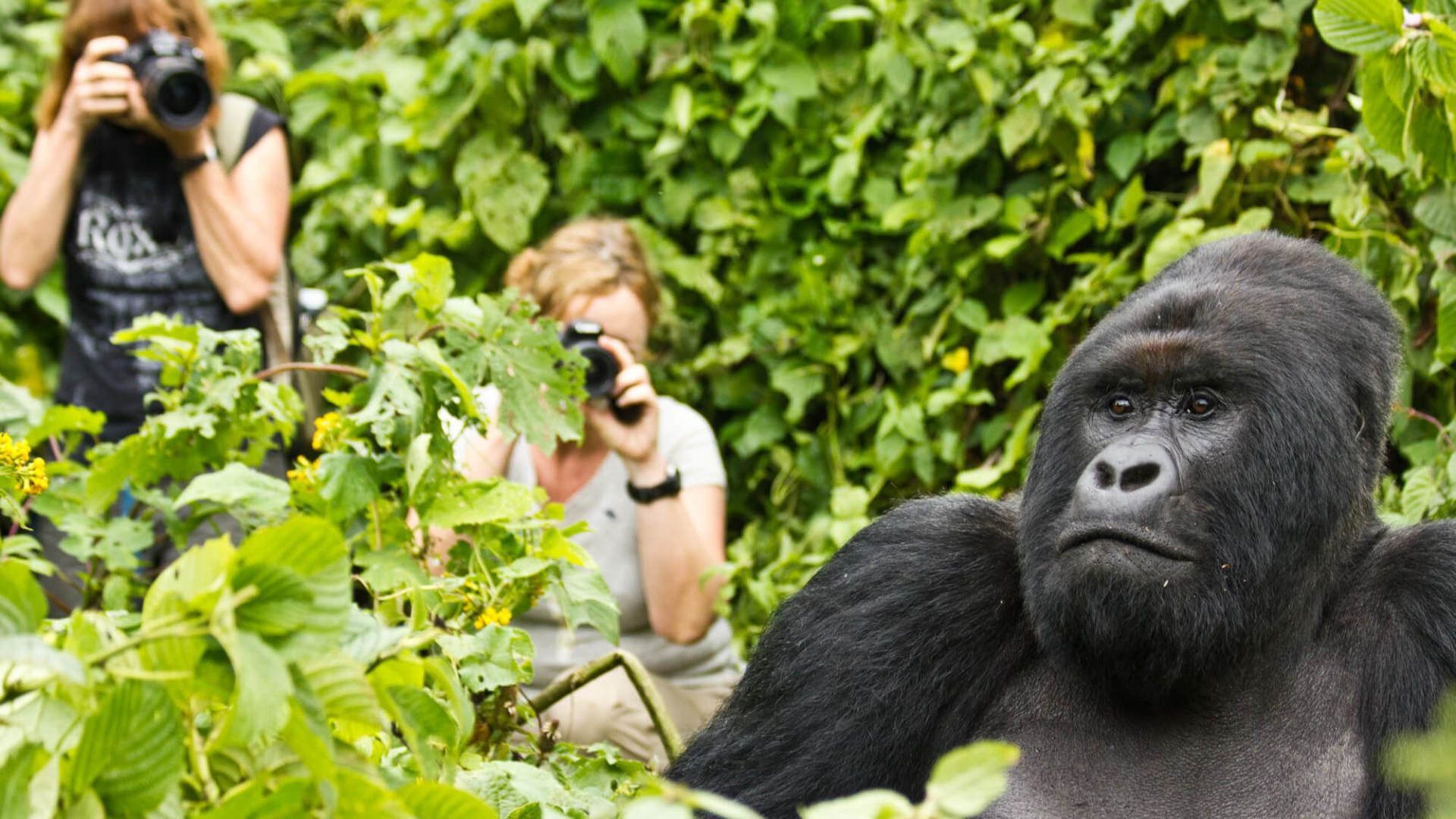
Yes. Photography is encouraged during gorilla trekking, and it is one of the highlights of the experience. Visitors may take photographs throughout their one-hour visit with the gorillas, provided they do not use flash photography. Flash can disturb the gorillas, so cameras should always have the flash turned off. A camera with a zoom lens performs well in the shaded rainforest, but even smartphones can capture memorable images in good light.


37. How many people are allowed with one gorilla family?

A maximum of eight visitors are allowed to visit each habituated gorilla family per day. This strict limit helps reduce stress on the gorillas, lowers the risk of disease transmission, and creates a more intimate wildlife experience for visitors. Every group is accompanied by experienced Uganda Wildlife Authority rangers and trackers throughout the trek.

Click here for more information: ( Link to the Gorilla Trekking Guide)


38. Can you see gorillas all year round?

Yes. Gorilla trekking is available throughout the year in Uganda because mountain gorillas remain in the forest year-round. There is no migration season, and sightings are exceptionally reliable, with a success rate of well over 95%. Although the dry seasons between June and September and December and February are popular because trails are generally easier to walk, the wetter months offer lush scenery, fewer visitors, and excellent gorilla viewing.


39. How many days do you need for a Uganda gorilla safari?

Most travellers need 3 to 4 days for a dedicated Uganda gorilla trekking safari. This usually includes travel to Bwindi Impenetrable National Park, one day for gorilla trekking, and the return journey.

If you would like to include chimpanzee trekking, wildlife safaris, boat cruises, or Lake Bunyonyi, a 5 to 8-day itinerary offers a more complete Uganda safari experience. Many visitors choose a week-long itinerary to experience the country’s remarkable diversity of wildlife and landscapes.

See Uganda Gorilla Safari Options here:


40. How do I plan the perfect gorilla trekking itinerary?

The perfect gorilla trekking itinerary depends on your interests, travel time, and budget. A well-planned safari should include:

  • Choosing the best trekking sector in Bwindi or Mgahinga.
  • Booking gorilla permits well in advance, especially during the peak seasons of June to September and December to February.
  • Selecting accommodation close to your assigned trekking sector.
  • Allowing enough travel time between destinations.
  • Including complementary experiences such as chimpanzee trekking in Kibale Forest, a wildlife safari in Queen Elizabeth or Murchison Falls National Park, a boat cruise on the Kazinga Channel, or relaxation at Lake Bunyonyi after your trek.

Working with a reputable local operator like Buutu Safaris ensures your permits, accommodation, transport, and activities are carefully coordinated, allowing you to enjoy a seamless and unforgettable Uganda gorilla safari.

41. How difficult is gorilla trekking? Do I need to be very fit?

No. You don’t need to be an athlete to enjoy gorilla trekking. Most people with an average level of fitness complete the trek successfully.

The hike takes place through the forests of Bwindi Impenetrable National Park or Mgahinga Gorilla National Park and can last 2 to 8 hours, depending on where the gorillas are located. Trails may be steep, muddy, and uneven, but experienced rangers guide you throughout the journey.

If you need extra support, you can hire a local porter or arrange a sedan chair service for a more comfortable experience.


42. What is the age limit for gorilla trekking in Uganda and Rwanda?

The minimum age for gorilla trekking in both Uganda and Rwanda is 15 years.

This rule protects both visitors and the endangered mountain gorillas. Trekking can be physically demanding, and children are more likely to carry respiratory illnesses that could be passed on to the gorillas.

Families with younger children can still enjoy many other wildlife and cultural experiences during their safari.


43. Can seniors or people with limited mobility go gorilla trekking?

Yes. Many seniors successfully go gorilla trekking every year.

The Uganda Wildlife Authority often assigns older visitors to gorilla families that are easier to reach. For those who cannot hike, a sedan chair service—known as the African Helicopter—allows trained porters to carry visitors safely through the forest.

With the right planning, gorilla trekking is accessible to travellers of all ages and abilities.

Contact us to start planning together: ( Link to our Contact page)

44. What vaccinations and medical precautions do I need for a gorilla safari in Uganda?

Travellers should ensure their routine vaccinations are up to date before visiting Uganda. A Yellow Fever vaccination certificate may be required for entry, and malaria prevention is strongly recommended.

Because mountain gorillas are highly vulnerable to human diseases, visitors with symptoms such as a cough, fever, or flu should not participate in the trek. Always consult your doctor before travelling and inform your tour operator if you become unwell before your gorilla trek.


Czech Speaker Treks Mountain Gorillas in Bwindi: Why Uganda Remains One of Africa’s Great Wildlife Experiences

A high-profile visit to Bwindi Impenetrable National Park has once again placed Uganda’s mountain gorillas in the international spotlight.

In August 2026, Tomio Okamura, Speaker of the Chamber of Deputies of the Czech Republic, joined Uganda’s Deputy Speaker of Parliament, Thomas Tayebwa, for a mountain gorilla trek in Bwindi Impenetrable National Park.

The visit was more than a diplomatic excursion. It highlighted something travellers from around the world continue to discover: Uganda offers one of the most extraordinary wildlife encounters anywhere in Africa—the opportunity to walk through an ancient tropical forest and meet wild mountain gorillas in their natural habitat.

For us at Buutu Safaris, the attention is welcome. We have been organising safaris in Uganda since 1995, and over those three decades we have watched gorilla trekking develop from a relatively little-known adventure into one of Africa’s most sought-after wildlife experiences.

Czech Speaker Goes Gorilla Trekking in Bwindi

During his visit to Uganda, Czech Speaker Tomio Okamura travelled to southwestern Uganda with Deputy Speaker Thomas Tayebwa to trek mountain gorillas in Bwindi Impenetrable National Park.

Their trek reportedly brought them to the Bitukura mountain gorilla family, one of Bwindi’s habituated gorilla families.

The experience also included a symbolic moment when Okamura named a young gorilla Thomas, linking the name to both his Czech heritage and his Ugandan host, Thomas Tayebwa.

The Czech Speaker subsequently expressed his appreciation for Uganda’s wildlife and conservation efforts, while Tayebwa described the visit as an important endorsement of Uganda as an international tourism destination.

But behind the headlines lies a much bigger story.

Why Is Gorilla Trekking in Uganda So Special?

Gorilla trekking in Uganda gives visitors the opportunity to encounter endangered mountain gorillas on foot in their natural rainforest habitat. Uganda’s principal gorilla trekking destinations are Bwindi Impenetrable National Park and Mgahinga Gorilla National Park in southwestern Uganda.

Unlike a conventional game drive, there is no vehicle separating you from the experience.

You enter the forest with trained guides and trackers, following trails through thick vegetation and mountainous terrain until the gorilla family is located.

Then everything changes.

After hours of listening to forest sounds and watching for signs left by the gorillas, suddenly there may be a silverback sitting only metres away. Nearby, females feed quietly while juveniles climb, play and investigate their surroundings.

For many of the travellers we have guided over the years, this becomes the defining experience of their African safari.

Where Did the Czech Speaker Trek Gorillas?

The Czech Speaker’s trek took place in Bwindi Impenetrable National Park, a UNESCO World Heritage Site in southwestern Uganda.

Bwindi is not a single gorilla trekking location. The forest is divided into four main trekking sectors:

Buhoma in northern Bwindi, Ruhija in eastern Bwindi, and Rushaga and Nkuringo in southern Bwindi.

This distinction matters when planning a gorilla safari.

Your gorilla trekking permit, accommodation and transport should ideally be planned around the same sector. Booking a beautiful lodge without considering where your gorilla permit is allocated can result in unnecessarily long early-morning transfers.

This is one of those details that experienced local safari planning can help avoid.

What Is the Bitukura Gorilla Family?

The Bitukura gorilla family is associated with the Ruhija sector of Bwindi Impenetrable National Park.

Like other gorilla families available for tourism, the group has undergone a careful habituation process that gradually familiarises wild gorillas with the controlled presence of humans.

Habituation does not make them domestic animals. They remain wild mountain gorillas living freely within the forest.

This distinction is fundamental to understanding the gorilla trekking experience.

Visitors enter the gorillas’ environment—not the other way around—and must follow strict guidelines designed to protect both the gorillas and the people visiting them.

How Does Gorilla Trekking in Bwindi Work?

A typical gorilla trekking day begins early in the morning at the designated park briefing point.

Uganda Wildlife Authority personnel explain trekking procedures and gorilla conservation rules before visitors are allocated to gorilla families and accompanied into the forest by trained guides and trackers.

The length and difficulty of the trek varies.

Sometimes gorillas are located relatively quickly. On another day, the same family may have travelled deeper into the forest, requiring several hours of trekking across steep or densely vegetated terrain.

That unpredictability is part of what makes the experience genuine.

This is not a zoo or wildlife park where an animal waits at a predetermined location.

You are tracking wild mountain gorillas through one of Africa’s great forests.

How Difficult Is Gorilla Trekking in Uganda?

Gorilla trekking can range from relatively manageable to physically demanding depending on the location of the gorilla family, weather, terrain and trekking sector.

Bwindi deserves the word “Impenetrable.”

The forest covers steep ridges and valleys where trails can become muddy and vegetation thick. We therefore recommend good walking shoes or hiking boots, long trousers, suitable rain protection, drinking water and a reasonable level of fitness.

But travellers should not automatically assume that gorilla trekking is only for extremely fit hikers.

We’ve helped organise gorilla safaris for travellers of very different ages and fitness levels. The important thing is to discuss mobility and fitness honestly when planning the safari so that appropriate arrangements can be made where possible.

Porters are also highly recommended.

Apart from carrying your daypack, a porter can provide invaluable assistance on steep and slippery sections of the trail. Hiring porters also creates direct economic benefits for communities living around the forest.

When Is the Best Time for Gorilla Trekking in Uganda?

Gorilla trekking is possible throughout the year in Uganda.

The drier periods are often preferred because forest trails may be easier to negotiate. However, Bwindi is a tropical rainforest, and rain can occur at virtually any time of year.

The wetter months should not automatically be dismissed.

The forest can be extraordinarily beautiful after rain, visitor numbers may be lower at certain times, and gorilla trekking remains possible.

Rather than looking only for the theoretical “best month,” we recommend considering the complete safari—gorilla permit availability, accommodation, weather, other wildlife destinations and your overall budget.

Can You Fly to Bwindi for Gorilla Trekking?

Yes.

One of the biggest changes we have witnessed during our decades organising Uganda safaris has been the improvement in access to Bwindi.

When we travelled between Entebbe and Bwindi in the late 1990s, the journey could consume almost an entire day. Today, visitors can take scheduled or private charter flights from Entebbe to airstrips serving southwestern Uganda.

Kihihi Airstrip is commonly used for northern Bwindi, particularly Buhoma, while Kisoro Airstrip provides convenient access to southern Bwindi, including Rushaga and Nkuringo, as well as Mgahinga Gorilla National Park.

Private charter aircraft and helicopter transfers provide additional possibilities for travellers seeking a luxury fly-in gorilla safari.

The important consideration is not simply booking a flight. Your flight, airstrip, gorilla permit, trekking sector and lodge should all work together.

Can Gorilla Trekking Be Combined With a Traditional African Safari?

Absolutely—and this is something we believe Uganda should promote much more strongly.

Deputy Speaker Tayebwa made an interesting observation following the Czech delegation’s visit: Uganda needs to market itself beyond gorilla trekking.

We agree.

The mountain gorillas may bring you to Uganda, but they don’t have to be the entire safari.

A well-designed Uganda itinerary can combine gorilla trekking in Bwindi with chimpanzee trekking, lions, elephants, buffaloes, hippos, boat safaris, birdwatching and some of East Africa’s most beautiful landscapes.

Queen Elizabeth National Park can be particularly convenient to combine with Bwindi. Longer itineraries can incorporate Kibale Forest for chimpanzee trekking and Murchison Falls National Park for a classic big-game safari.

Uganda’s great advantage is its diversity.

Within one journey, you can move from tropical rainforest and great apes to savannah wildlife, wetlands, lakes and the River Nile.

Does Gorilla Trekking Help Protect Mountain Gorillas?

Gorilla tourism has become an important part of the conservation economy surrounding Uganda’s mountain gorillas.

Every visitor should understand that gorilla trekking is not simply another tourist attraction. The experience depends upon maintaining healthy gorilla populations and protecting the forests in which they live.

Tourism generates revenue associated with conservation while also creating employment and economic opportunities around gorilla destinations—from guides and porters to lodge employees, drivers, farmers, craftspeople and other local businesses.

This is why responsible gorilla tourism matters.

If communities surrounding protected areas can see tangible value from conserving wildlife and forests, tourism can become part of the long-term argument for keeping those landscapes intact.

Why Plan Your Gorilla Safari With a Local Specialist?

Gorilla trekking can look deceptively simple online:

Buy a permit. Book a lodge. Go trekking.

In reality, there are numerous decisions behind a successful gorilla safari.

Which country should you trek in? Which Bwindi sector? Which lodge? Should you fly or drive? How many nights should you spend in Bwindi? Should you trek once or twice? Should you combine gorillas with chimpanzees or a big-game safari? And how should the itinerary change according to your age, interests, fitness and available time?

These are precisely the questions where experience matters.

Buutu Safaris has been organising safaris in Uganda since 1995.

We knew Bwindi when reaching the forest could involve extraordinarily long journeys over difficult roads. We have watched lodges develop, air connections improve and gorilla trekking become one of Uganda’s signature international tourism experiences.

That history gives us a perspective that cannot be gained simply by reading accommodation descriptions online.

Our job is not merely to sell you a gorilla permit.

It is to design the journey around it.

Frequently Asked Questions About Gorilla Trekking in Uganda

Where can I see mountain gorillas in Uganda?

Mountain gorilla trekking takes place in Bwindi Impenetrable National Park and Mgahinga Gorilla National Park in southwestern Uganda.

Is Bwindi the best place for gorilla trekking?

Bwindi is one of the world’s leading mountain gorilla trekking destinations and offers several trekking sectors, numerous habituated gorilla families and a wide selection of accommodation.

How long do you spend with the gorillas?

Standard gorilla trekking allows visitors a regulated period with the gorilla family once it has been located, subject to the applicable Uganda Wildlife Authority rules.

Can I fly from Entebbe to Bwindi?

Yes. Domestic flights and private charters can connect Entebbe with Kihihi or Kisoro, followed by a road transfer to your lodge.

Which airport should I use for Bwindi?

Generally, Kihihi is most convenient for Buhoma and northern Bwindi, while Kisoro is convenient for Rushaga and Nkuringo in southern Bwindi and for Mgahinga. Your exact routing should be planned around your lodge and trekking sector.

How many days do I need for a Uganda gorilla safari?

A short fly-in itinerary can focus primarily on gorilla trekking, while longer itineraries allow Bwindi to be combined with chimpanzee trekking and traditional wildlife safaris. For international visitors, we generally recommend designing the number of days around what else you want to experience in Uganda rather than treating the gorilla trek in isolation.

Should I book my gorilla permit before my lodge?

Ideally, the permit, trekking sector, accommodation and transport should be coordinated together. Gorilla permit availability can influence where you trek and therefore where you should stay.

From World Leaders to First-Time Visitors, the Experience Is the Same

The visit of Czech Speaker Tomio Okamura and Uganda’s Deputy Speaker Thomas Tayebwa brought international attention to Bwindi, but status disappears remarkably quickly when you enter the forest.

Whether you are a parliamentary speaker, photographer, honeymooner, family traveller or someone visiting Africa for the first time, you eventually find yourself walking quietly through the same rainforest, listening for movement in the vegetation.

And then you see them.

For a few extraordinary moments, you are standing in the forest with one of our closest living relatives.

After more than 30 years of organising safaris in Uganda, we still believe few wildlife experiences compare with meeting a mountain gorilla in the forests of southwestern Uganda.

Plan Your Gorilla Trekking Safari With Buutu Safaris

Ready to experience Bwindi for yourself?

Buutu Safaris can arrange your gorilla trekking permits, hand-picked Bwindi accommodation, private safari vehicle, experienced local guide, scheduled flights or private charter flights, as well as extensions to Uganda’s other national parks.

Whether you want a 3-day fly-in gorilla safari, luxury Bwindi experience, gorilla and chimpanzee safari, or a complete Uganda wildlife journey, our local safari specialists will design the trip around you.

Experience Uganda through local eyes—with a team that has been exploring and organising safaris here since 1995.

→ Start Planning Your Uganda Gorilla Safari

Can the Elderly Trek Gorillas? Your Ultimate Guide to an Accessible Adventure

The dream of locking eyes with a mountain gorilla in the wild is a bucket-list experience for many. But if you’re a senior traveler, you might be asking: “Is it really possible for me?” The short answer is yes. You are never too old to trek gorillas, provided you are in good health and plan your trip with the right support. In fact, many travelers in their 60s, 70s, and even 80s have successfully completed this life-changing trek with Buutu Safaris, proving that age is just a number when it comes to the thrill of wildlife conservation.

It is important to understand that while there is a strictly enforced minimum age of 15 years to protect the gorillas from human illnesses, there is no upper age limit for trekking. Park authorities care far less about the date on your passport and more about your ability to navigate the forest. If you can walk and maintain a reasonable level of fitness, you are fully eligible for a permit. To make your journey more comfortable, you can request a “short” trek during your pre-hike briefing. Rangers are generally very accommodating and will strive to assign you to a gorilla family that is closer to the park’s edge, minimizing the duration of your hike.

Beyond selecting the right group, we help significantly reduce the physical strain of your expedition by advising you to make use of the local support. Hiring a porter is the best investment you can make; they act as personal assistants, providing a steady hand on steep slopes, helping you navigate muddy sections, and carrying your backpack so you can focus entirely on the trail. For those with more significant mobility challenges, the “African Helicopter”—a sturdy, locally made sedan chair—can be hired. This service allows a team of strong porters to transport you into the forest and back, ensuring you don’t miss the experience due to physical limitations. Additionally, always use trekking poles to help manage knee pressure and stability on uneven terrain.

To ensure your safari with Buutu Safaris is as seamless as possible, we recommend careful logistical planning. Aim to travel during the dry seasons—June through September or December through February—to benefit from less slippery trails. We also suggest choosing lodges located close to the park entrance to avoid long, exhausting morning drives. Whenever possible, opt for domestic “fly-in” packages to avoid the long, rugged road journeys. Finally, avoid “back-to-back” itineraries; giving yourself a buffer day before and after the trek is essential to recover and acclimate to the higher altitudes of the mountain forests.

While you don’t need to be an athlete, a little preparation goes a long way. In the months leading up to your trip, incorporate regular 30 to 60-minute walks to build your stamina, and consider basic lower-body strengthening exercises. If you have any history of heart or respiratory issues, be sure to consult your doctor to get medical clearance, especially given that trekking typically occurs at altitudes between 2,200 and 3,000 meters. Gorilla trekking is more than just a hike; it is a profound encounter with nature that stays with you forever. By being open with your tour operator at Buutu Safaris about your physical needs, you can ensure that your adventure is centered on the magic of the encounter rather than the difficulty of the trail.

Ready to start planning your custom, senior-friendly gorilla adventure? https://www.buutusafaris.com/product/4-day-flying-gorilla-trekking-safari-uganda/

Can I Still Trek Gorillas If It Rains? Your Guide to All-Weather Adventure

Many travelers worry that rain will ruin their once-in-a-lifetime encounter with mountain gorillas. If you are planning a trip to the lush forests of Uganda or Rwanda, you might be asking: “Will my trek be canceled if it rains?” The answer is a resounding no. Gorilla trekking operates year-round, regardless of the weather. In fact, experiencing the misty, atmospheric rainforest in the rain is a uniquely magical adventure that many seasoned travelers come to cherish.

A common misconception is that gorillas hide or disappear during rainfall. In reality, mountain gorillas go about their daily routines regardless of the weather. While they may occasionally seek shelter under dense foliage to stay dry, they do not migrate or vanish when it drizzles. Your expert ranger guides are trained to navigate the forest in all conditions, constantly adjusting routes to ensure you still have the best possible chance of a successful sighting. Furthermore, trekking during the wetter months offers significant advantages, including fewer crowds, more intimate encounters, and a stunning, vibrant green backdrop for your photography.

To ensure you stay comfortable, Buutu Safaris advises clients to prepare with the right gear. Waterproofs are essential; a high-quality rain jacket and waterproof pants are non-negotiable. It is also wise to bring a heavy-duty waterproof cover or a dry bag to protect your camera and electronics from moisture. Finally, prioritize grip and stability by wearing waterproof hiking boots with excellent ankle support. Your guides will also provide a sturdy wooden walking stick, which is your best friend on slippery slopes. Don’t let a little rain keep you from your bucket-list adventure. At Buutu Safaris, we help you plan the perfect trek, ensuring you have the support and expert guidance needed to navigate the forest comfortably, rain or shine.

Ready to start planning your all-weather gorilla adventure? Contact us today to begin your journey!